The French director Lila Pinell presented her first feature film, Kiss and Cry, at the Cannes Film Festival in the ACID parallel section, which she co-directed with Chloé Mahieu. Four years later, she released Le Roi David (King David), a short film that premiered at the prestigious Vila do Conde International Short Festival in Portugal. Now, almost a decade after her first Cannes appearance, Pinell presents her sophomore effort, Shana, in the Quinzaine de Cineastes. The latest effort also returns her partnership with Eva Huault, who starred in the short film and now portrays the titular character. In the film, Shana is a twenty-five-year-old Jewish girl facing difficulties in her life. Her boyfriend (Sékouba Doucouré), who is fifteen years older than her, is serving time for drug trafficking. Hence, she became the responsible for selling his stock and saving the money until he is out of jail. At the same time, she has troubles with her estranged mother, her sister is having her bat mitzvah, and her grandma suddenly passes away. Thus, Shana has to go into the hellish times when everyone and everything is against her.
Despite the overly dramatic events happening in the character’s life, Lila Pinell crafts a tragicomedy about a young woman in modern France. Trapped between familiar traumas, a problematic age gap relationship, and her sexuality, Shana is an individual seeking to find herself in the massiveness of the world. In this sense, the director uses the film’s form as a religious approach to the connection between Shana and the world surrounding her. According to her family’s notions, the woman is the black sheep of the herd. Still, there are a lot of similarities in the personalities of her mother (Noémie Lvovsky) and herself – an impulse, a vulgarity in the looks and speech, the confrontational nature. Consequently, every encounter between them is like fuel and fire; it is explosive, inherently unavoidable.
In this sense, the director thrives in the directing of her two stars: Hualut and Lvovsky. The first is a highly sensual woman whose appearance offers people material for prejudgment, the procedures in her face, and the constant desire to change her looks. Meanwhile, Lvovsky appears calm and reasonable at first, but it is even more explosive than her daughter. Still, she is attempting to provide for her youngest daughter what Shana did not have: a present parent. Therefore, it lies at the fascinating core of the film, an utterly kinetic, escalating comedy of errors that feels similar to Emma Seligman’s Shiva Baby. In both cases, the sexuality and religion of the lead characters are central to the film’s narrative, led by impressive performances from its stars. Hualut proves herself to be a rising talent, portraying someone who appears like they have multiple plans but is utterly clueless and vulnerable.
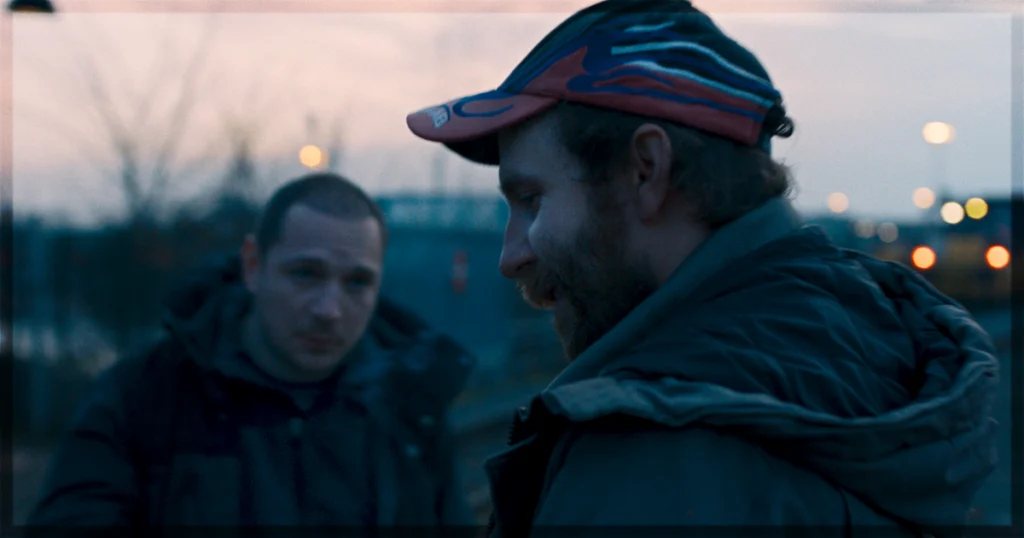
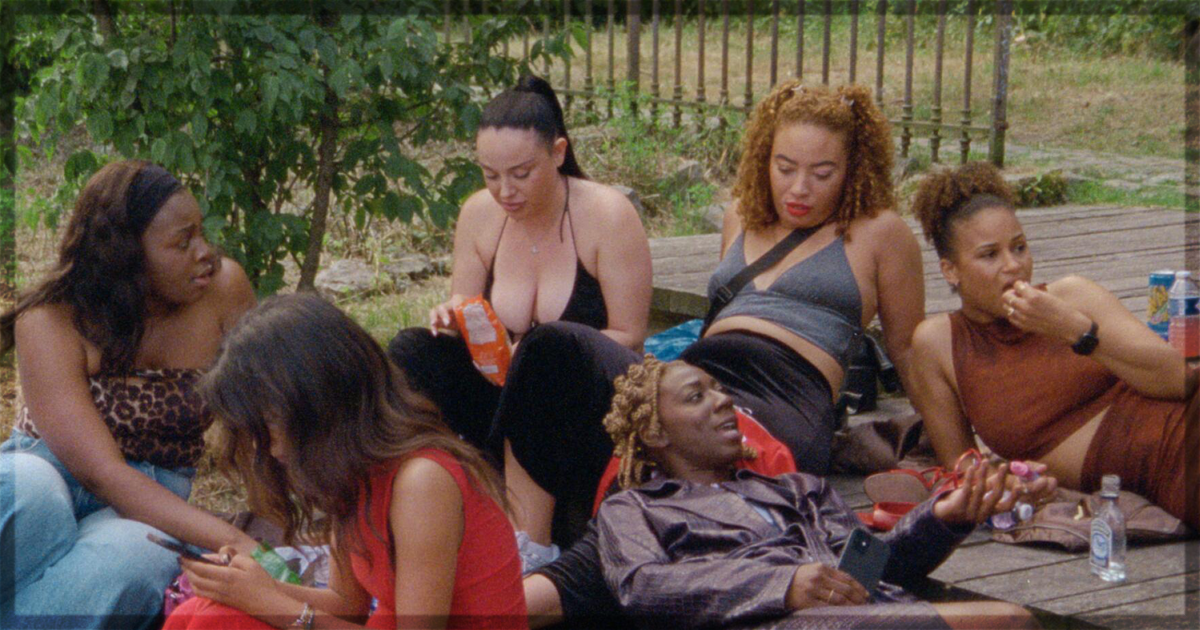
On another note, the visual register of the film emulates a bad passage of the bible. The director utilizes a few metaphors to place the development of the central character, such as the finger getting cut when she is about to sell a family ring, a visual telling of the fragmented bonds. Still, the cinematographer Victor Zébo crafts throughout a grainy visual, shot on film, a blurry representation of that character’s life. Despite the joy and celebration in a few moments with her friends, the usual picture of her history is the blur in her trajectory. Pinell and Zébo attempt to create a frame of Shana wearing out, the dirtiness of the film looks assigned to that woman whose life is passing. She is an attractive woman, but her youth is spent with her criminal boyfriend, who tells her that his return to jail is imminent. Looking at the reflection of her mother in the bat mitzvah, Shana understands her destiny is similar, inevitable in some ways.
In this sense, Shana by Lila Pinell is a sharp, tragicomedy about the messy life of a young woman. Eva Huault provides the ideal portrayal of someone who transmits itself as strong and confident to the world, but is deeply vulnerable and clueless. Similarly, Noémie Lvovsky is the the blueprint to the behavior of her daughter, a reckless mother who is attempting to correct her mistakes, but the result is explosive arguments. Thus, despite the Jewish elements and the sexual trajectory of the characters, Shana feels like the French cousin of Emma Seligman’s Shiva Baby, both fascinating portrayals of mommy issues, lost adults, and the Jewish identity in the formation of irresponsible adults learning the ways of life the hardest way.
Shana recently premiered at the Cannes Film Festival.
Learn more about the film at the IMDB site for the title.
You might also like…