The greatest thing about film festivals is the room they provide for experimental work from anywhere in the world to catch a wider audience. The complex set-up of Dao is significantly tougher to explain than it is to watch, but it’s exceptional at capturing a large and complex family’s life through its rituals around weddings and death. The problem is it is 185 long minutes long, largely because it is trying to recreate the experience of being at these overwhelming family events for us. The dialogue was seemingly improvised by the combination of professional actors and non-professional performers (a great many of whom have the same surname as writer-director Alain Gomis) who agreed to treat these events as if they were genuine. It needed a tighter editorial focus to heightened the power of the experience, but as it is, Dao just makes you feel like one of the family.
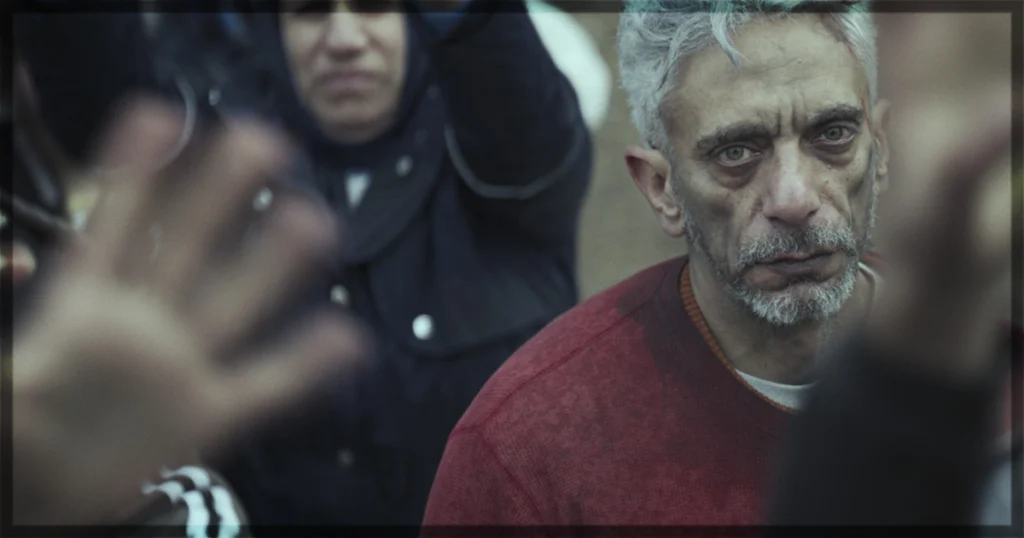
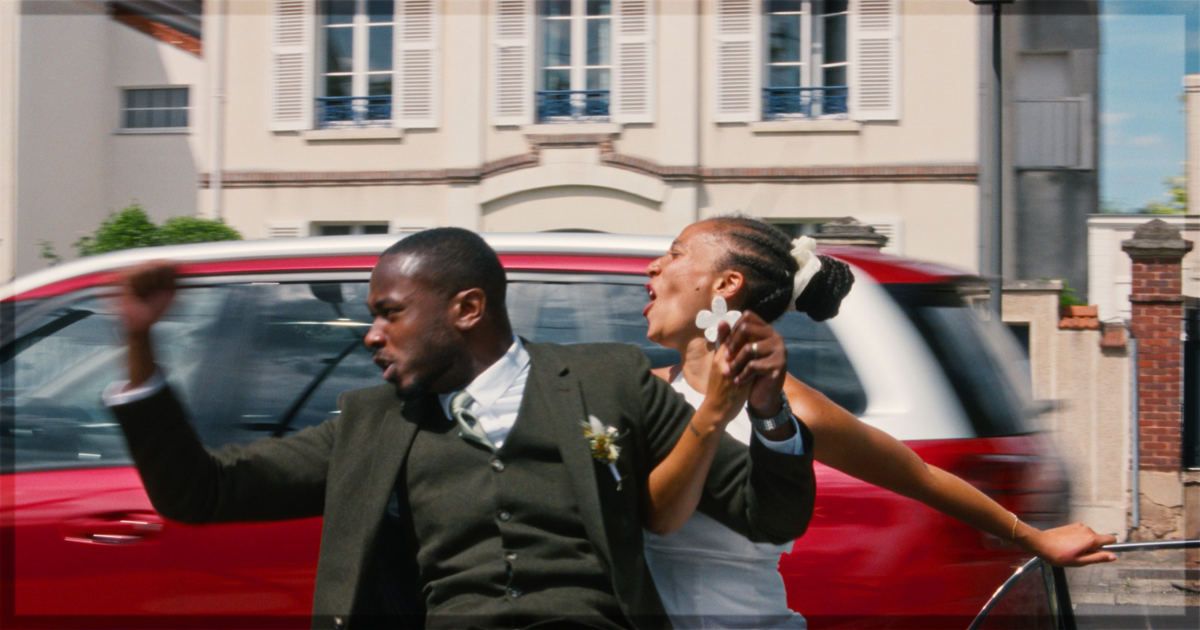
The movie begins with the casting process and clips of the main actors interacting with each other before we get stuck into two events, which are set approximately a year apart. One is the wedding in France of Nour (D’Johé Kouadio) and James (Mike Etienne), shown largely from the perspective of Nour’s mother Gloria (Katy Correa). The other is the ceremony in Guinea-Bissau where the spirit of Gloria’s late father will enter into its home of eternal rest: a statue in the family compound. In their animist culture that statue will be imbued with his living essence and this is therefore as important as the funeral for his physical body. Both of these enormous occasions involve complex and expensive preparations for the hundreds of guests, including travel from all over the world. Dao spends most of its runtime intercutting the two ceremonies from sunup to the evening. Kids squabble, brothers argue, ceremonies are undertaken, tears are shed and mountains of food are eaten, and we’re right in the middle of all of it. It all feels so lifelike it hardly feels like anyone is acting, which is very much the point.
Gloria comes from a large family that has mostly, but not entirely, settled in France. The family has mostly, but not entirely, wholly embraced the western way of life: the major exception is the brother of Gloria’s who has a wife and four children per country, to the contempt of many of the others. (The wives and children are not particularly happy about it either.) Another brother shows up late to the wedding with a previously unknown and heavily pregnant white girlfriend, who is treated with an odd mix of anger and pity. The older siblings and friends joke about the spanking and beatings they occasionally got from their own parents and laugh about how easy the next generation has it. In France a soccer game for the little cousins gets taken over by the dads and rapidly gets out of hand. In Guinea-Bissau, a bull is sacrificed in the courtyard (which was seemingly done for real) and butchered for the evening’s roast. People sing, flirt and confide their secrets into each other.
In France, Gloria must parlay her position as mother of the bride into keeping the bad vibes from some of the guests away from Nour and James. In Guinea-Bissau, Gloria must explain to Nour, who doesn’t speak the local languages (Wolof, Manjak and Guinea-Bissau Creole), how she is related to everyone she meets and what the different stages of the ceremony symbolise. And every now and then Mr. Gomis makes sure to remind us that this is not a documentary but a fictional film, that everything here is for the movie instead of a real wedding or a real ancestor ceremony, before we drop right back into the crowd.
As fascinating as it is to sneak behind the scenes like this, the enormous runtime and the leisurely pace means that interest wears thin long before the plot runs out. If the goal was to treat this as a sociological experiment Mr. Gomis could have placed a heavier hand on the scales, or if the idea was to simply let the ceremonies unfold the meta sequences could have been cut. This kind of knowing depiction of ordinary life is exactly what I love best about cinema from anywhere in the world, so I’m astonished that I cannot recommend Dao in its current runtime. If it is picked up for distribution after the Berlinale it might be edited into tighter shape and therefore worth a look. As it is, unless you are keen to experience its cultural thrill ride from the comfort of your own home, Dao unfortunately cannot be recommended.
Dao recently played at the Berlin International Film Festival.
Learn more about the film at the IMDB site for the title.
You might also like…