
Throughout the complicated formation of Latin America, Catholicism became the norm for the so-called civilization of native populations. Hence, ever since its inception, the new continent has been a Catholic region, colonized mainly by the Portuguese and Spanish. Despite the colonial wounds, the imperial process carries severe traumas, particularly in the societal sphere. The morality present in those countries derives from European cultures, affecting their culture and responses to a plethora of discussions. One of them is the public opinion regarding abortion, which has profound roots in the Christian morality that stems from a critical regard for the theme. Consequently, the inevitable union of politics and religion drifts the discussion regarding pro-choice policies from a rational standard. These unfortunate decisions expose thousands of women and those assigned female at birth to the dangers of clandestine procedures to stop an undesired pregnancy. The popular Argentinian actor Dolores Fonzi shines a light on a high-profile abortion case in Belén, her sophomore film.
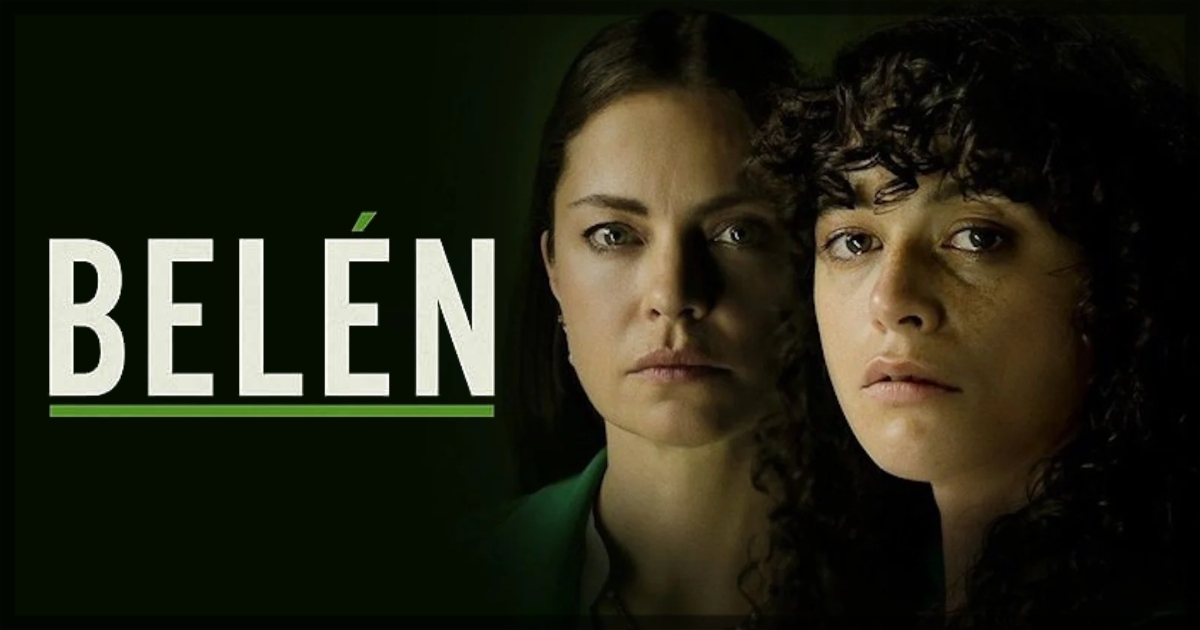
Fonzi, a veteran performer in Argentinian TV and film, chose the story about a famous case in the country as her follow-up to Blondi, her debut effort. She directs, co-writes with Laura Paredes, who also stars, and leads the film about a 2016 event. Belén, the anonymous persona of a young woman accused of performing an eight-month abortion while she checked into an emergency room in Tucumán, a city in the countryside. She got an eight-year sentence for murder, despite the lack of evidence to prove her participation in the alleged assassination. Shocked by the poor defense of the state defender, Soledad Deza (Dolores Fonzi), a lawyer dedicated to women’s rights, decides to work on the overruling of the decision that may destroy the young woman’s life.
Furthermore, the film is a throwback to a recent moment in Argentina’s history, the moments preceding the approval of pro-choice policies in the country, a historical precedent for the continent. In this case, What Happened to Belén: The Unjust Imprisonment that Sparked a Women’s Rights Movement by Ana Elena Correa is the source material for the film. Fonzi and Paredes adapt alongside Agustina San Martín and Nicolás Britos. Hence, the film and the book serve as a memory of the recent history of a country that punished women who decided to take any action regarding their pregnancies. In a sense, Fonzi writes a letter to the efforts of the feminist movements in Argentina that fought for their rights and for Belén’s freedom. Yet, it may lack a more profound inner context for the political situation in the country in the 2010s, particularly the moments involving that young woman.
Accordingly, the film is half a drama about this woman’s suffering and half a courtroom drama. However, the so-called court conventions represent only a small portion of the film, particularly because the script focuses on the state’s bureaucracy in allowing the defense to access the accusations against her. Fonzi, in the director role, assigns enough energy to maintain interest in the legal aspect of her drama. The constant discussions with Judge Farinã (Luis Machín), the state’s bureaucrat who refuses a fair date and access to the files, become a gag in the film. Consequently, the film does work well, as it is a dense event in the country’s history. Yet, it does have a lot of substance to take in, especially in its narration of the personal drama in Soledad’s life, the threats to her safety, and Belén’s suffering in jail. Overall, it features an overview of subplots that feel excessive, but the central thread works as both a legal drama and a human rights story. Fonzi works her way to a cathartic conclusion, which effectively serves the story she is attempting to tell. The director, a known and respected feminist in her country, creates a film that tells the world about the long fight of activist groups to conquer their rights.
In the end, Belén may have too much on its plate. It gathers a multitude of perspectives in the fight for the freedom of a young woman, culminating in the final goal of decades of fighting. In a sense, it is an efficacious individual drama, particularly through the eyes of the woman, brilliantly portrayed by Camila Plaate. Yet, it reaches its best when it focuses on the courtroom drama and the bureaucracies surrounding it. Dolores Fonzi succeeds in her triple functions in the film, director, screenwriter, and actor, all of which lean toward the expanded goal of representing properly a celebrated purpose of Argentinian feminism.
Belén is now streaming on Prime Video.
Learn more about the film, including how to watch, at the official site for the title.
You might also like…