Dominga Sotomayor is one of the biggest names of the new generation of the Chilean cinema. Alongside Pablo Larraín and Sebastian Lelio, her films achieved the international recognition and received attention for their boldness. Her debut feature, De Jueves a Domingo, premiered at the International Film Festival Rotterdam. Her most anticipated work, La Perra, premieres now at the Cannes Film Festival in the Quinzaine des Cineastes. Produced by Rodrigo Teixeira, the Academy Award-nominated producer from Ainda Estou Aqui, Sotomayor’s latest is the adaptation of the novel of the same title by the Uruguayan Pilar Quintana.
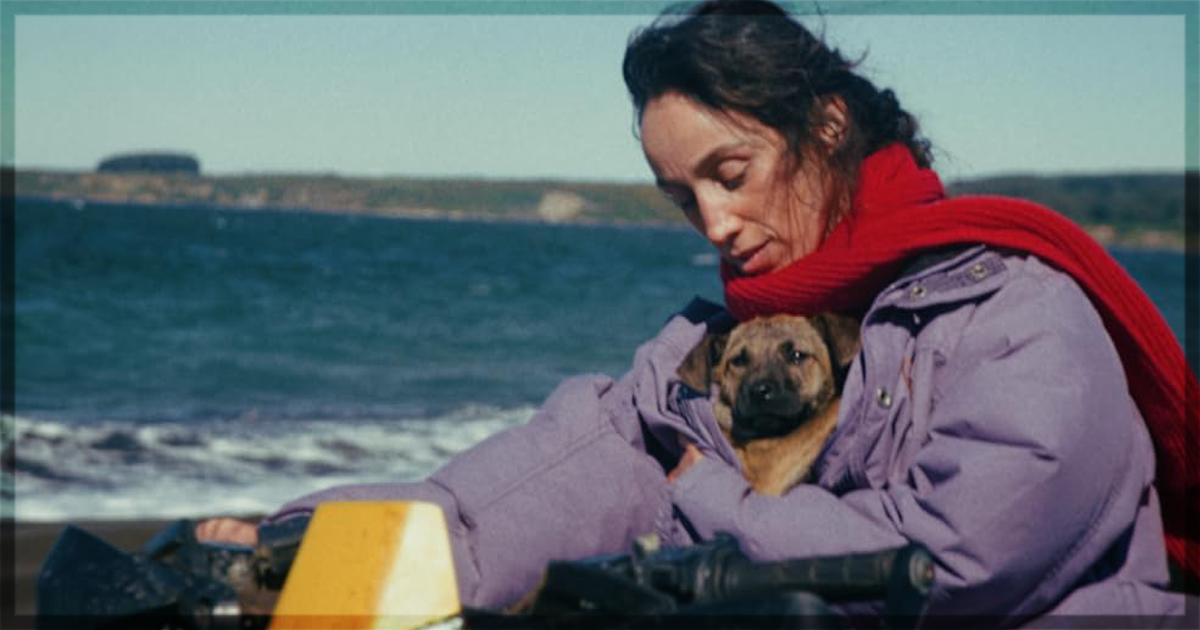
La Perra narrates the life of Silvia (Manuela Oyarzún), a woman who lives on a desert island in the South of Chile. She collects shellfish in the sea and takes care of the home of her family’s former employer, Duda (Selton Mello), who stopped traveling from Brazil to the island due to a traumatic event. Suddenly, she finds a puppy on the beach, decides to take care of her, and names her Yuri. The abandoned dog becomes a central part of Silvia’s life, becoming a partner in shellfish collection and accompanying the woman throughout the village. However, during a celebration, Yuri disappears, and memories of that traumatic event return to Silvia’s mind, reopening wounds that should have healed thus far.
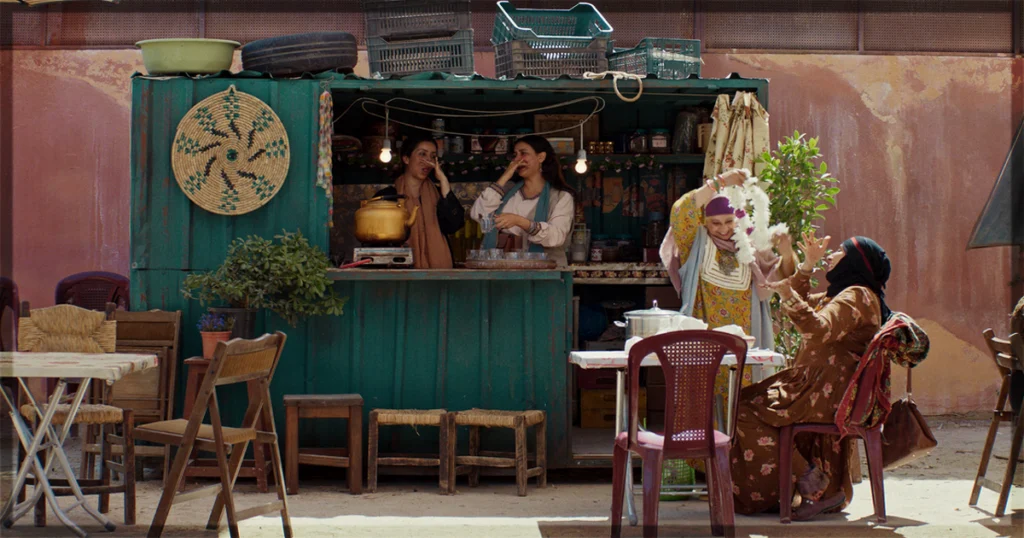
At first, Sotomayor slowly unveils the nature of that woman. She is a fisherman, a local of that island, and knows everyone around that small isle. Even before entering the routine of Silvia, the director encompasses that region with a breezy look. The wind is present throughout the fibers of the film material shot by Simone D’Arcangelo, who beautifully captures the contrast of the little sun with the cold atmosphere of the Chilean South. Yet, the grainy look documents the outstanding work of Natalia Geisse, the production designer, who aims to visually build the differences between Silvia’s past and present throughout the scenarios. One of the examples is Duda’s house, an immense portion of land with a brutalist house made of burned cement. Meanwhile, the villagers live in small tents made of thin wood, which appear incapable of protecting them from the severe winter and the cruel cold breeze.
In this sense, Sotomayor thrives in the atmosphere-building of the duality in Silvia’s life. Yuri, the perra from the film’s title, is the light, the emotional anchor to a woman whose life suffered trauma and guilt. There are clearly two different parts within the same film: the woman who desires to heal and move on, but finds herself trapped in that loss when Yuri runs away. Therefore, despite a cast mixed of Chilean stars like Paula Luchsinger and Giannina Fruttero, Oyarzún, who is also one of the components of that constellation, shines the most throughout this journey. Her Silvia is calm and introverted, but mostly due to the emotional holding from decades of suffering and guilt. In that aspect, the director extracts the most from her quiet moments, the conversations with her partner, the wanderings with Yuri, and the cleaning of the empty fortress. There is a force in a woman battling the past and attempting to continue her life there. On the same note, Selton Mello, a massive name in the Brazilian dramaturgy, gifts the screen even with little presence. Yet, the manner in which Sotomayor frames him, mostly in contre-plongée, assigns an authority and presence that transcends the length of his participation.
La Perra loses the steam when it shifts to the past, unveiling the traumas. Even if Mello is unrelatable as this charming, powerful man, the film works the best in its atmosphere and introversion. The meditations of Silvia present us with the beauty of the actor and the dogs running around the beach, cuddling in the night, or encouraging her to be present in the island life. Nevertheless, the final minutes lead to the confusion of reality and illusion, especially when it presents an element of the past. Time is relative and unclear, Dominga Sotomayor nails it with her ending, finishing a film about emotional damage, guilt, and the necessity of relationships, even the ones between humans and perros.
La Perra recently premiered at the Cannes Film Festival.
Learn more about the film at the IMDB site for the title.
You might also like…