One of the most culturally talked-about moments of 2026 was the Super Bowl Halftime Show performed by Bad Bunny. Despite the political opposition from the far-right groups, who considered his choice as non-American (even if Puerto Rico is a territory of the United States), the fifteen-minute show was a success. A week after his historical Grammy win in the Album of the Year category for his ‘Debi Tirar Más Fotos‘, the performance recreated the Latin culture throughout the food, the dance, and multiple sets that emulated Puerto Rico. At the top of all that, there was plenty of acclaim for the visual aspect of the show that felt cinematic. Emulating the dolly zoom from Spike Lee films or the creative simulation of a blackout, Bad Bunny walked through a highly controlled scenario that captured the movements perfectly as a short film. The person responsible for the show was STILLZ, a Colombian artist. He is famous for directing music videos for the Puerto Rican star, including Vete and La Noche de Anoche. Last year, the Colombian filmmaker released his first feature at the Biennale di Venezia.
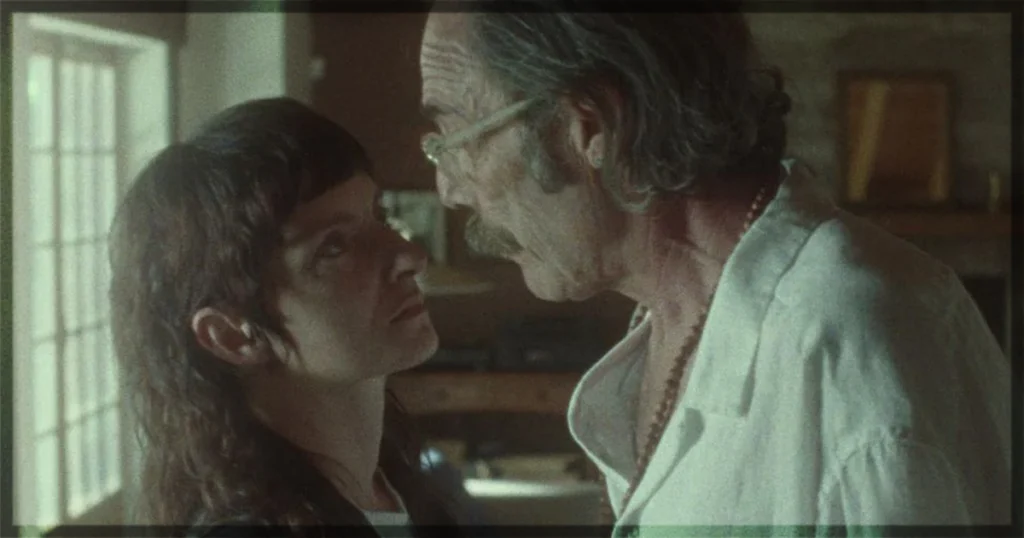
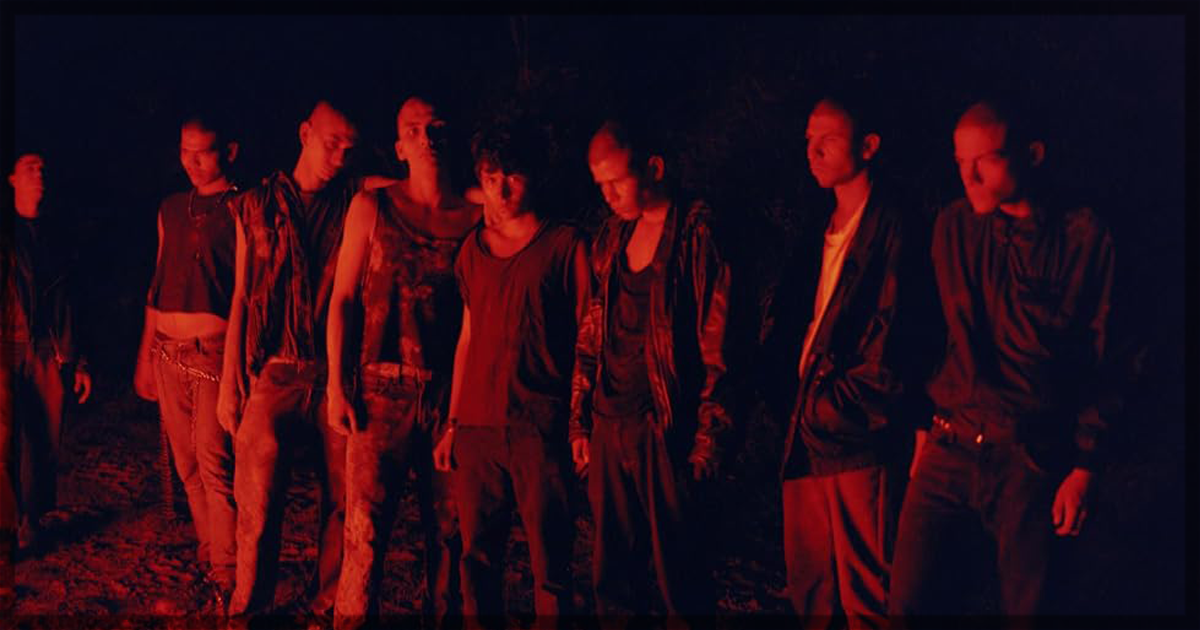
Produced under the banner of EDGLRD, the production company created by the infamous Harmony Korine and led by the former Indie Wire critic Eric Kohn, the film is another production from the company that challenges the mainstream artistry. In previous years, they released AGGRO DRIFT and Baby Invasion, experimental films that used technologies like AI and thermal cameras to create emulations of the livestream and video game environments. In this sense, Barrio Triste is another addition to a specifically challenging type of film that surges from the personal experiences of its director. In the project, a gang of shaved-headed boys from the slums steals a camera from a television crew while they are shooting outside their set. The camera follows their journeys into a reality that intertwines with the pure definition of hell.
In this aspect, the project is a combination of a favela movie, the 2000s slums filmmaking that surged from the Latin countries in films like City of God, and found footage. Yet, it shifts this definition through the notion that the footage surges from theft, not from somewhere. In the first scenes, we understand the visual structure that STILLZ aims for the project. Set in the 1990s, it features pixelation in the imagery, a texture that correlates to the lack of polishing in the walls of the favela. The boys sit on bricks glued together by cement, while the view unveils the multiple houses juxtaposed in the slum. Another central element to the film is the score by Arca, one of the most influential musicians of the century. The Venezuelan artist designs a ghostly sound that haunts when combined with the nightmares that the stolen camera documents.
In this sense, the director rejects a narrative that develops in a central plot and motivations. The film is the form, the boys are the characters, and their reasoning is in the images we see. There is a repetition that follows in the sense of the substance, the creative awe that justifies the images. STILLZ positions the young gang as survivors of the third world, condemned to live in the hell-like Global South, where the resources are scarce, and the social gap is immense. They mind this distance through the violent robberies downtown, where we watch the boys who look like clones performing their survival resistance. When they return to the favela, the cycle continues, and they shave the heads of the children in a house, introducing them to the violent and cruel world.
Structurally and visually, Barrio Triste, which translates to something of the north of ‘Sad Neighborhood’, might have an interpretation of that geographical place as hell. Those creatures at night are images of the devil, and the boys pay for their sins. Although it is a film that demands a lot from its audience, especially through the tiring loud sounds that emulate the tones of unreality, the director unveils a new level of his artistry. Contrary to the tropical and solar music videos, which feature complex production design and detailed props, Barrio Triste uses the favela as a soundstage of hell. Poverty led those children to meet torture, and everything around them is a ghostly reality that mimics the suffering of existence. Robbing the footage is only the modus operandi; living in the slums in the conditions, and surviving the creatures is the price of their existence. Ironically, from above the sky, those children live in hell; when they descend, they bother the higher classes. It reminds them of the miseries of capitalism and abandonment.
Barrio Triste recently played at CPH: Dox.
Learn more about the film at the IMDB site for the title.
You might also like…