The Singaporean director Nelson Yeo is a fascinating new name in the country’s younger generation. In 2023, he presented Dreaming & Dying (Hao jiu bu jian) at the Cineasti del Presente in Locarno. Two years later, he took his shorts Durian, Durian to the International Film Festival Rotterdam, and Through Your Eyes to the Berlinale. Proving to be a highly prolific author, he returns to the Swiss festival with The House on the Moon (明月共此時). It tells the story of Chang Er (Lim Shi-An), a fairy maiden who lives in the house on the moon. She embarks on a journey to the dark side of the moon to search for her lover, Ho Yi (Dominick Rustam-Chartrand), a sun-shooting archer who disappeared while on a quest to save the dying sun.
The film was announced as the first Singaporean Wuxia film ever made. The story follows a traditional mix of fantasy and fiction, very popular in Chinese-speaking countries. Film-wise, there are productions in this genre dating back to the 1920s, but the most famous might be Ang Lee’s Crouching Tiger, Hidden Dragon. It popularized military stories in North America, featuring complex stunts and camera movements that explored their beauty. Hence, martial arts, which became popular with the TV show Kung Fu and Bruce Lee’s works, gained another important chapter in Hollywood, bringing artists like Michelle Yeoh into its productions. Through the popularization of wuxia, especially in Hong Kong films, the director attributes his project’s inspiration to this trend. While discussing renting a VHS tape, Yeo says he fell in love with what he saw on screen. A few decades later, he creates his own version of it.
The House on the Moon uses the genre’s traditional trope to build its mythology. Chang Er and Ho Yi walk through the beautiful, colorful scenery as they talk about his mission to save the dying astro. This story is divided into the past and the future; a mythical reality and the now. In both, there is the couple and the need to be together. Beneath the epic costumes and set design, the film’s central thread is its love story. She is searching for her love, the man who vanished while on a mission of honor. The project utilizes a narrative structure that belongs to the wuxia but is very similar to the melodrama. In both narrative formats, the protagonist is moved by a dilemma or tragedy. Still, in the Chinese tales, fantasy and martial elements provide the necessary foundations for this story. Then, in this film, the woman is seeking her loved one, who went away on an important mission. There is a strong moral context to it, characterized as the motive for his disappearance.
Similarly, this story alludes to the structure of John Ford’s The Searchers, the most popular film about rescuing a loved one. Lim Shi-An is a sort of John Wayne on the moon, facing the difficulties of reaching her Ho Yi. As the story progresses, there is a fascinating allusion to the Western construction of narratives, such as the one mentioned, a melodrama.
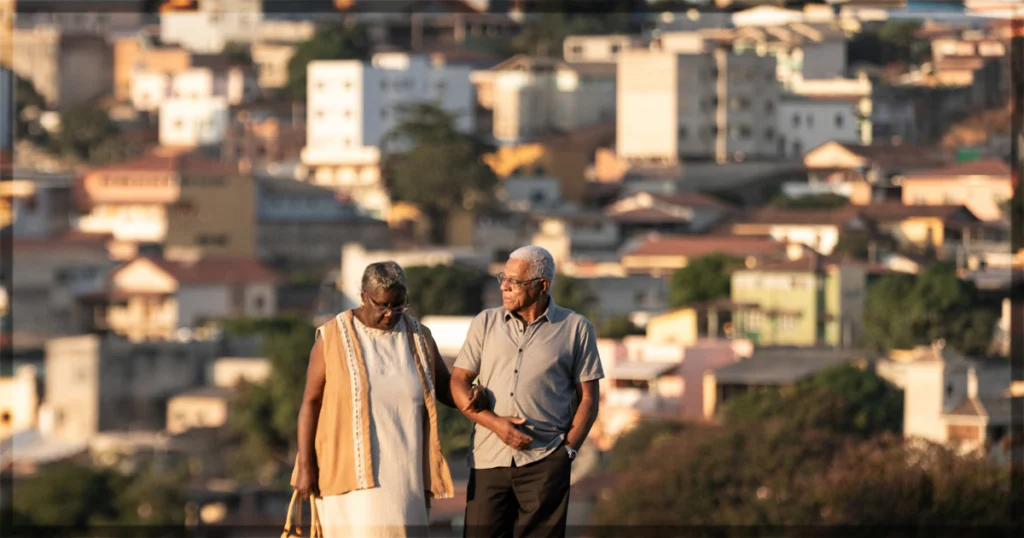
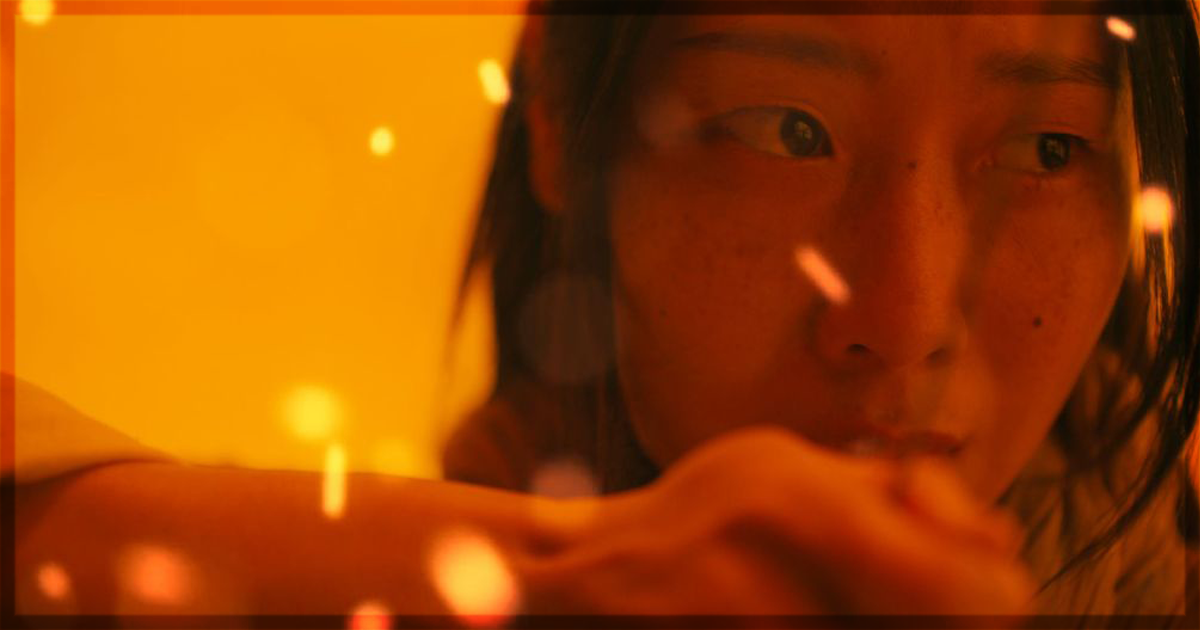
Arguably, all industries and filmmakers are bombarded by American filmmaking and productions, the result of an effort by the industry and the U.S. government to export their products, their soft power. Nelson Yeo attempts to tell his version of a wuxia, a pioneering move to do it in Singapore, but there is a lot to admire here, especially in the visual field. The cinematographer Lincoln Yeo captures a sense of plasticity when the film is on the moon, but a drastic shift toward realism when it is in the present. Visually, there is an effort to portray both times differently. Hence, the intention behind the artificial, plastic imagery is vital to creating this atmosphere, a reality literally out of Earth.
In this regard, The House on the Moon is a pioneering act that emerged from the practice of renting and watching VHS tapes. This action allowed filmmakers to watch different films and be influenced by them, as in Nelson Yeo’s case. In his second feature film, the Singaporean young talent creates a universe that transports the traditional wuxia tales to the screen. Even if there is an excess of subplots and the time shifts feel like two different films, there is much to admire in this ambitious effort by the filmmaker. Beneath the melodrama and the love story, there is a logic of stories told for a long time that utilize fantasy to portray reality. In this case, Yeo thrives in its visual construction, using its artificiality to narrate love.
The House on the Moon recently played at the Locarno Film Festival.
Learn more about the film at the IMDB site for the title.
You might also like…