
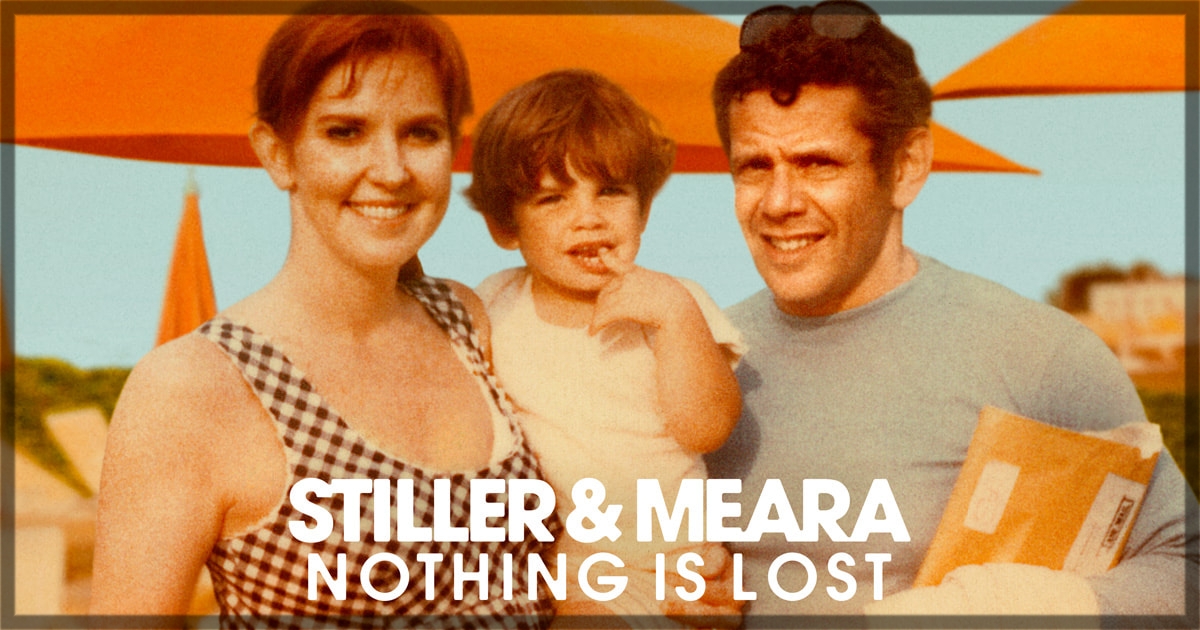
Even if it sounds ironic, nepotism might be a burden. It is one of the topics of grief shown in Stiller & Meara: Nothing is Lost. Arguably one of the most popular names in mainstream comedy in the last three decades, Ben Stiller comes from a royal family in comedy. His parents, Jerry Stiller and Anne Meara, are one of the most iconic comedy duos of the1960s. In this context, long before the popularization of comedy clubs, hotel lobby presentations were the principal stages for comedians. Stiller & Meara were the kings of hotel entertainment in the ’60s, especially after their success on The Ed Sullivan Show. A cultural thermometer of singers and comedians, a thriving performance in primetime would skyrocket a performer’s career. In this sense, the couple would succeed in their routines about Catholic and Jewish relationships and the differences between men and women, analyzing societal discussions through hilarious commentary.
Ben Stiller returns to the director’s chair, a role he has familiarized himself with over the last few decades. He has appeared in comedies such as The Cable Guy, Tropical Thunder, and Zoolander. He experimented with an existential drama in The Secret Life of Walter Mitty. Lastly, and more importantly, he directed TV shows such as Escape at Dannemora and Severance, works that positioned him as a respected TV director and earned him Emmy Award nominations. Hence, he is directing a documentary for the first time in his career; yet he begins his non-fiction career with a theme he knows intimately: his parents. After the death of his father in 2020, Ben and his sister Amy return to their parents’ flat, organizing the memories before putting it on sale. As a filmmaker, the director and son observe an opportunity to tell his parents’ story through the thousands of newspaper excerpts and photos organized in boxes.
In a sense, it relies principally on the archival footage and the conversations about it in the flat. Ben converses with his children about footage of him as a young boy on TV, joking about not casting his parents in his films because he wanted to make adventure flicks, not comedies. Ironically, he ended up directing comedies and starring in many of them, working alongside his father on numerous occasions. In this context, the director balances the effects of nepotism and the pressure upon him. How dare the son of two comedy icons follow in their steps? It is a fascinating perspective from someone in the entertainment business who suffered criticism and skepticism from casting directors, writers, and producers. In perspective, we understand the problems of growing up with an iconic surname, even though it is also a privilege that opens doors to contacts, financial stability, and fame.
Furthermore, the documentary’s low point is the centralization of the thesis around Ben. Despite being a film about his parents, it predominantly returns to his figure. There is a problem in the middle of this journey, when we learn more about the director’s feelings and story than his parents’. The post-1980s documentary is lackluster, particularly because it translates to the growth of the second generation of this comedy dynasty. Surely, it is an inherent story to the director; it is his life. However, another famous actor directed a documentary about her parents this year and did a better job in integrating the different stories. In My Mom Jayne, Mariska Hargitay finds a more engaging balance between her story and her mother’s life, the actress Jayne Mansfield. Hence, when one compares the two projects, which are documentaries by actors about their parents, we observe two different scopes of work. Inherently, Mariska uses the medium to understand her mother, while Ben centers his parents’ trajectory on his life, diminishing the protagonists’ protagonism. Thus, we understand two different ways of grieving through non-fiction, which Hargitay displays a more fascinating balance between Mansfield’s work and the aftermath of her death.
Ultimately, Stiller & Meara: Nothing is Lost presents Jerry Stiller and Anne Meara through the eyes of their son, Ben. Occasionally, it is a project that lectures us about the intimacy of two comedy icons. However, the director spends plenty of time discussing the burden of being the son of two legends. In the end, Ben discusses himself more than his parents, delivering a rushed final thirty minutes of film. Yet, it has a few anecdotes that present a different side of Stiller and Meara, but not enough to prevent it from being a conventional, lackluster documentary.
Stiller & Meara: Nothing is Lost is streaming on Apple TV.
Learn more about the film on Apple TV+.
You might also like…