A female Korean superfan featured in Oasis: Don’t Look Back in Anger, speaking through tears, provides the best explanation possible for Oasis’ appeal: they are not a band that hectors you to get up when you fall down. They are a band that falls down beside you; they know themselves what it means to feel low. But somehow their music gives you the strength to get up again and carry on. She is speaking for herself here but she could also be speaking for Oasis, too. Oasis: Don’t Look Back in Anger follows the band’s 2025 reunion tour, which filled stadiums worldwide and was so successful it surprised even themselves. It is both a concert movie – the hits are performed in full – and a concert experience, because of its focus on the audiences of the Live ‘25 tour. Above all it has set a new high bar for how musical performances appear on film. The intelligence and the emotion throughout has an appealing swagger that brings out the best in everybody. If you never understood Oasis before you’ll definitely get it now.
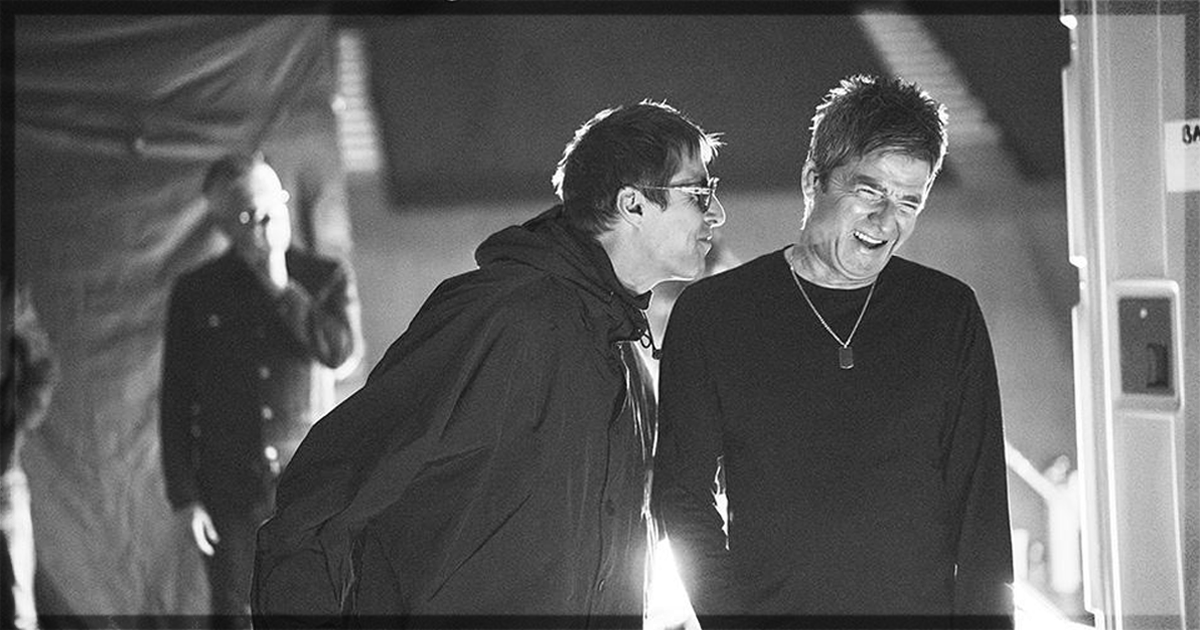
The reason for Oasis’ success has always been the combined work of the Gallagher brothers. Noel Gallagher is the talent, a world-class songwriter and the band’s musical workhorse in addition to its leader. But Liam Gallagher is the genius, the stick of dynamite on the permanent cusp of exploding who has somehow maintained both the arrogance and the dynamism of his youth into his fifth decade. Age has not mellowed him one iota and while his behaviour might have slightly improved, his absolute, utter refusal to do anything he doesn’t want to has not. The movie begins with the rehearsal sessions that began six weeks before the tour. Liam doesn’t always show up, even though the rest of the band (a constant presence though they barely feature) is always present and correct. When he does, the awkwardness is palpable, but it’s clear that his vocal power has not diminished and neither has his ability to be effortlessly cool in front of an audience. And Noel is smart enough to stand back and control the explosion.
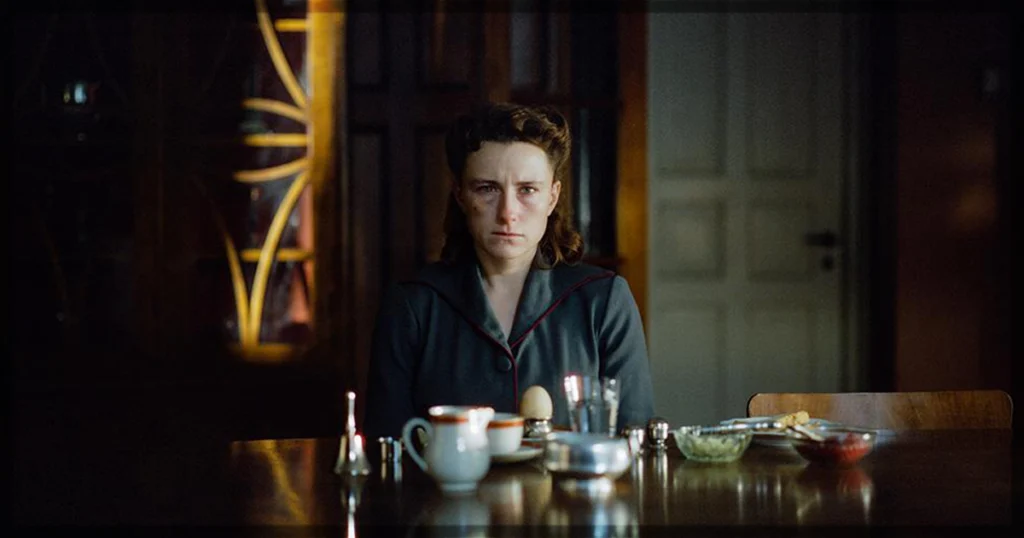
Directors Will Lovelace and Dylan Southern made the interesting choice to focus on the anticipation building up around the tour as much as Oasis itself. Evidently a call went out for fans willing to be featured, since voicemails are played from various people speaking about the importance of the tour to them. The chosen ones are briefly profiled speaking about their connection to the music, the community they found with fellow fans, and why Oasis’ music has remained so important to them. They were also filmed in the crowd during the concert they attended itself. In a pointed rebuttal to the stereotypes around Oasis, these fans are largely women. Oasis’ music has always provided an articulate working-class longing that is rarer than it ought to be in art. But for all the band’s misbehaviour, it’s fair to say that it didn’t lead to the kind of unpleasant rumours that so often swirl around male musicians, meaning they are unusually easy for female music fans to continue to love. They might have always been trouble, but the honest kind.
Vox-pops were filmed on the streets around the concert venues on the day of the show, notably including some smart mouths in Manchester jumping fences to hear the concert from outside the stadium, as well as a man in London who says the band’s breakup in 2009 felt like one of his children had died. We also meet members of a Brazilian football team’s band who use Oasis songs as their anthems, a minister in Manchester who preaches an Oasis-themed sermon, and a Cardiff policeman prepping his team for the day of the concert with an enormous amount of Oasis song title puns.
But the focus here is how the band’s connection with the audiences at their shows (who did not include me, though I did try) enables the Gallagher brothers to repair their connection with each other. Editors George Cragg and Martina Zamolo stitched together absolutely thousands of shots to build a genuine emotional arc that somehow provides the entire sense of being inside a roaring stadium gig. The band’s work onstage combined with the light show and are reflected in the drunkenly happy, emotional faces of the people singing along to every word. Most concert movies focus on capturing the performance, but this is the very smart documentary that chose to capture the experience. The flashing lights, the dancing crowds, the singing along, the embracing and the joy. More than one man is shown in tears at the fact the gig is happening and they were there for it. A sense of delighted disbelief is very strong from all sides. It seems that despite the juggernaut nature of this kind of tour absolutely no one thought Live ‘25 could or would really come together and stay together all through the end. Yet it did, so successfully it made nearly £400m/$530m with over two million people in attendance. And the impact of this reunion will continue: even my elderly neighbours are planning to get tickets for the rumoured 2027 tour. Oasis is back!
In our own lives we all have someone we can’t live with and can’t live without. The push and pull between the Gallagher brothers is why the music of Oasis has had such a strong impact all around the world. The emotional power of Liam’s defiant delivery of Noel’s defiant ideas is what has always made the band. They are stronger together. Their solo work and other bands, solid as they might be, have just never had that special something. But their rupture was not just a professional setback. Their personal estrangement was so serious it’s mentioned in passing their four sons – two each, who were part of the entourage for at least part of their tour – had never previously met. But they need each other. Noel is probably the only person in the world who can get through to Liam, though it’s taken until now for him to understand the adage about Mohammed and the mountain. And Liam – arrogant, cocksure, mouthy Liam, whose arrogance is so nearly unbearable except his talent justifies it – seems to have finally learned that all the swagger in the world is worthless if you won’t back it up. The final message of the film, which includes the brothers appearing on camera together to make fun of Mick Jagger and sneer at the idea they support ‘right-wing’ ideas, is of the importance of forgiveness and reconciliation. And all the joy in Oasis: Don’t Look Back in Anger is that, for once, it wasn’t too late. This unusually good documentary makes you feel that it’s possible for you too. Oasis: Don’t Look Back in Anger somehow gives you the strength and the support to get up again and carry on. We should all be so lucky.
One final thing: at one point Liam mentions seeing the kids getting ‘spangled,’ an innovative new euphemism for ‘getting really drunk’ that we should all adopt immediately.
Oasis: Don’t Look Back in Anger recently played at the Venice Film Festival.
Learn more about the film at the IMDB site for the title.
You might also like…