
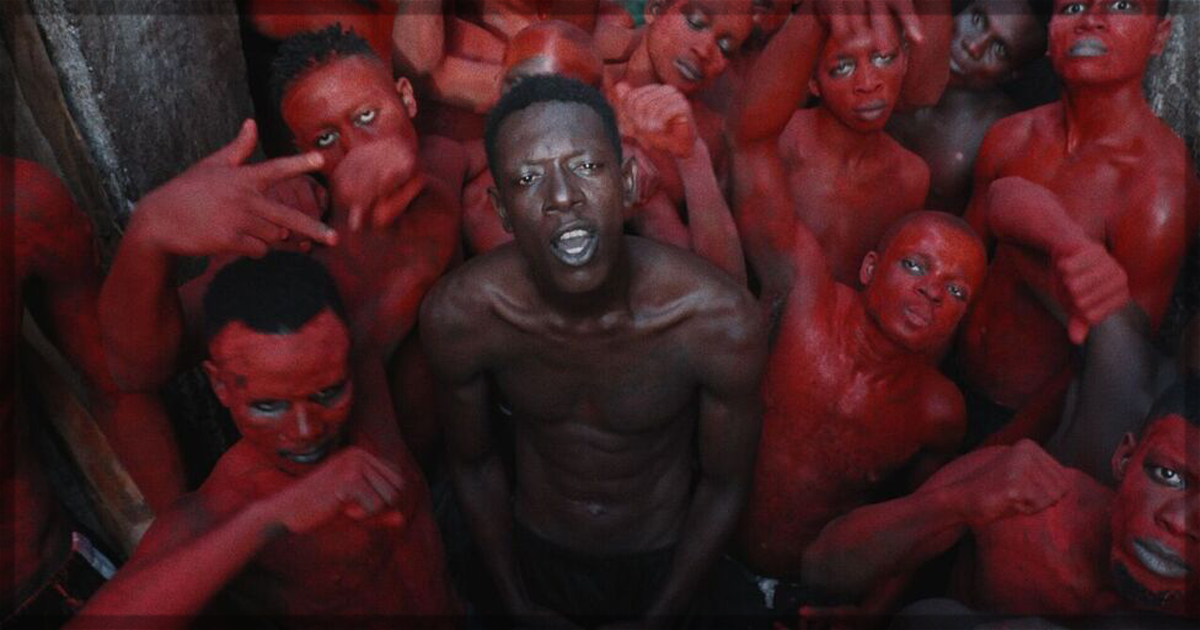
The trouble with prison documentaries is the elephant in the room. Either you must find the reasons people are incarcerated beneath mentioning, or you must be right up front with the conviction that landed someone inside. This unfair but reasonable fact of life might go double if the documentary is filmed inside a hugely overcrowded prison in the African nation of Cameroon, where the 6000 incarcerated men are not guaranteed even a roof over their heads. But Jail Time Records is not interested in the world outside the prison walls. Instead the focus is on the prison recording studio, called guess what, which was co-founded by one of this documentaries’ co-directors, Steve Happi. While he is no longer a prisoner, he often returns to help run the studio. This access to a place in the world most of us will hopefully never see makes Jail Time Records well worth a look. The trouble is that Mr Happi and his co-director Dione Roach didn’t know how to handle the elephants in the room.
That means that we spend most of the runtime with several of the prison’s best musicians before we are told, in excruciating detail, the precise details of their crimes. It is hard to juggle the image of the men praising each other’s flow and producing visually startling music videos with the fact they really, really do deserve to be behind bars. What’s handled much better is the use of a man calling himself La PJ as a guide throughout the prison. In his elegant jacket and hat he is one of the few people allowed full access anywhere; mostly gangs tightly control their spaces with violence and a complex network of message runners pass messages for pay. La PJ’s narration in crowded spaces as other men hide their faces from the cameras – both directors and someone named Urberto Rapisardi shot the whole thing – ensures we understand the world of the prison as completely as any outsider could. The fact his work is highly staged doesn’t take away from the realism of the setting, and the fact we never learn why he’s in the prison means it’s easier to listen to him.
Now. Of course we are all more than the worst things we’ve done, of course even the worst people deserve hope for the future, and of course talent can spring from anywhere. The scenes in the recording studio where we watch people work would fit right in with hip-hop documentaries from anywhere in the world. It’s clear there’s a huge sense of pride from everyone involved in the excellence of their equipment, and they all take it very seriously. What’s more, the songs are bangers! The expressions of defiance, anger and thwarted romance are understandable to music fans anywhere in the world. The willingness of other prisoners to participate in the visually striking videos (which are all over YouTube, and they take careful note of the comments) makes it clear how important the studio is to providing a sense of direction and focus for these men.
The thing is, holding back the reveal of exactly what they did to end up inside is a bad mistake. We should either have been told up front, or we should not have been told at all. To refrain from sharing the specifics of their crimes until very late in the documentary means either the filmmakers didn’t trust their material, or they didn’t trust their subjects. Audiences can forgive a lot of bad stuff if people take responsibility for it, but instead everyone here acts like they were hoping to squirm out of that. For a documentary about the redemptive power of art, this coyness is a bad mistake.
That said, Jail Time Records is a fascinating slice of life, and the sense of danger from filming inside an active prison never gets minimised. Everyone here is completely compelling to watch, and seeing the ways in which the men work together (or don’t) to survive in this difficult place is a true one-off.
Jail Time Records recently played at the Tribeca Film Festival.
Learn more about the film at the Tribeca site for the title.
You might also like…