The Four Seasons returns for a second series on Netflix, following the same group of friends throughout the year. The first season was a masterpiece of observation about love, life and middle age. It could be argued that it was so good it didn’t need a second series, and mostly the stories were wrapped up enough not to need a further outing.
Despite trepidation, the second series of The Four Seasons is as good as the first. It feels like dropping in on old friends and checking in on where they are in their marriages, work life and health. The show, based on the 1981 Alan Alda film of the same name, follows a group of friends on various vacations throughout the year, with two episodes each covering a different trip from a different season.
Season 2 Picks Up Where Season 1 Emotionally Left Off
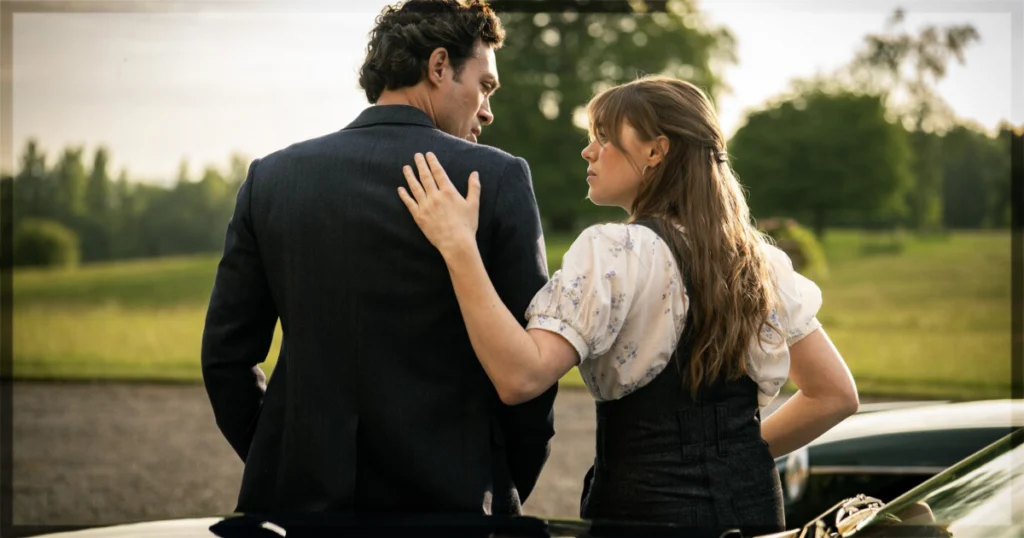
Season 1 had a satisfactory but sad ending after Nick (Steve Carell) crashes his car and passes away, leaving behind complicated feelings from his ex-wife and his new, much younger girlfriend. The show could have left the group there and made for a delightful miniseries. But season 2 finds plenty of depth to mine from these likeable characters.
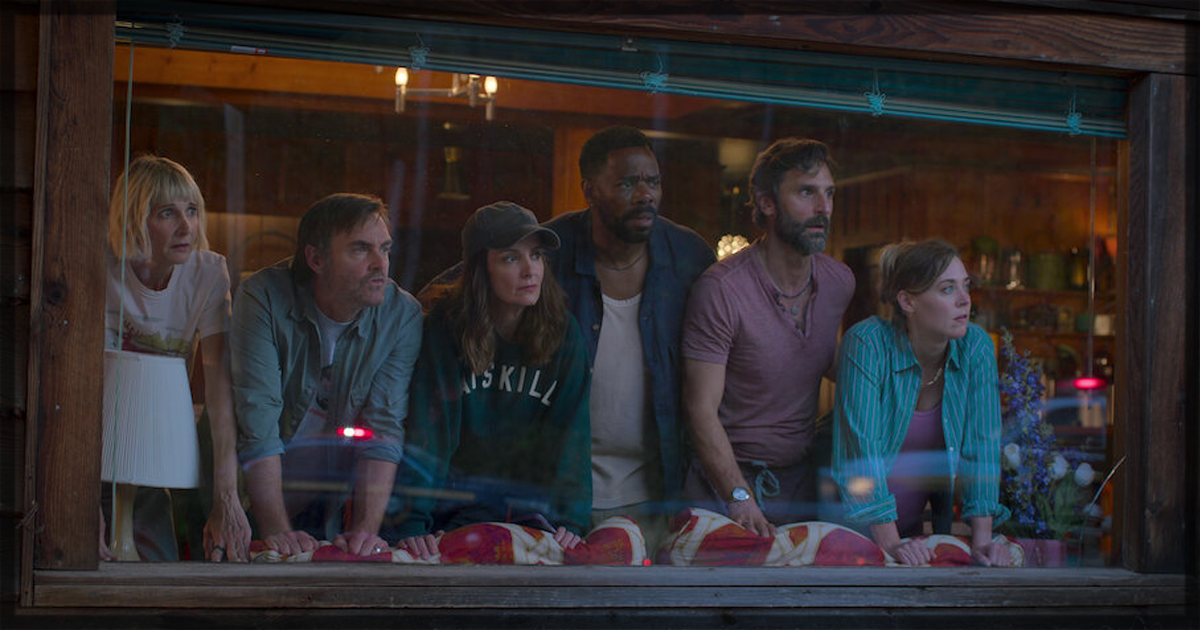
After Nick died in a car accident, his pregnant girlfriend, Ginny (Erika Henningsen), joins the group to spread his ashes. The old friend group have mixed feelings about accepting the woman their friend had an affair with into their circle, especially his widow, Anne (Kerri Kenney-Silver). Kate (Tina Fey) and her husband Jack (Will Forte) have their own issues, their marriage clearly struggling with an empty home and lack of hobbies.
Catty couple Danny (Colman Domingo) and Claude (Marco Calvani) are mid-way through an argument about the topics of parenthood when they arrive, as they contemplate adding a new member to their family. It’s not disastrous, but it’s life.
The first two episodes follow the group as they reminisce about their late friend and aim to spread his ashes, but they can’t agree on where. The second batch of episodes follows the group on a beach day, as Jack struggles with his mental health, Kate struggles to connect with her husband, and Anne explores dating after marriage and having to look after your late husband’s lovechild. The third holiday is centered around Thanksgiving and the stress that comes with marking the year. The fourth batch of episodes sees the group in a jollier mood in Italy, trying to find their place in society and what their friendship truly means.
This sophomore season doesn’t have the same emotional impact at the first, but it does deliver some punches throughout as it gentle tackles the big moments and feelings. In comparison to the last season, this series is much more cathartic in tone, putting a focus on reparation.
You’ll Laugh, You’ll Cry
This series of The Four Seasons sees them hike mountains, celebrate holidays, take a trip to the beach and go on a Christmas break to Italy. We drop in on them throughout the year, often mid-way through arguments, decisions and big life updates. The writing never gets weighted down with exposition, smartly catching you up to date with events through natural-sounding dialogue.
The overarching theme of this midlife dramedy is that things are never quite what they used to be, and they’ll never be the same again, and that’s okay. The show predominantly explores this feeling of not quite being who you once were and where that leaves you. This is especially effective because we meet all the couples at different emotional points in their lives.
While the themes are the big, scary, important ones, there are plenty of laughs here. The summer holiday where Jack makes friends with another middle-aged man and arranges playdates (with permission from their mothers) is a highlight. Other moments that will have you laughing out loud include a trip to Italy when Anne is told she looks like an Italian witch and when Kate decides to dabble in weed.
The Four Seasons isn’t a show with big laughs or big tragedies. It’s a bittersweet and gently funny exploration of middle age relationships, romantic and platonic. The comedy is more observant, capturing how you grow with and grow apart from friends as you age. But also, the script appreciates how sometimes the silly little times with loved ones are as funny and meaningful as the big life-changing ones.
Like Reuniting With Old Friends
Tina Fey, Lang Fisher, and Tracey Wigfield return as showrunners, creators, and executive producers, and insert as much warmth as possible into the series. This show isn’t doing anything remarkable or original, but the writing, characters and actors take it to a new level.
You’ll want to spend more time with these people, who are lovable and nice but also cranky and rude, paranoid and stressed. The core group has such fantastic chemistry, you’ll believe they’ve known each other for years. The banter between them, especially when all together around a table, is so genuine it’s hard to imagine it’s not improvised on the spot. There is no weak link here, no character an afterthought, which means nearly every relationship angle gets time to shine.
The Four Seasons is the type of understated character-driven show you don’t get enough of on television these days. There are no overdramatic plots, twists or tension; life has enough of this to not need to sensationalise even further.
This show is a bittersweet exploration of real-life people and real-life issues. Yes, they come from a place of privilege, but they feel like people you’d meet at work or know from school. Unremarkable and normal, yet entirely brilliant, who says you need to be a superhero, cop or doctor to want to spend time with.
The writing in The Four Seasons fundamentally explores what it’s like to be an aging human looking to find their place in life. It’s heartbreaking, it’s hilarious, and it’s poignant, and it understands what makes people the way they are.
The Four Seasons is now streaming on Netflix.
Learn more about the show at the IMDB site for the title.
You might also like…