In film criticism, talking about a bad movie is easy. For many, discussing something negative can be enjoyable and cathartic. Breaking down the “why” and “how” a film doesn’t work can be fun. Attacking those aspects can be both an entertaining and educational prospect for film critics, as it enables them to gain a deeper understanding of the filmmaking process. On the flipside, reviewing a bad film can also prove incredibly tedious. How much can be said about a movie that simply doesn’t work in any way? That is, unfortunately, the case with Superman IV: The Quest for Peace.
Superman IV: The Quest for Peace follows Christopher Reeve as Clark Kent/Superman in his final portrayal as the character. The story follows Superman (Reeve) as he attempts to stop a world on the brink of Nuclear War. That is, while Clark is also dealing with what the symbol of “Superman” means to the American people. Meanwhile, Superman’s archnemesis, Lex Luthor (Gene Hackman), is concocting a plan of his own with his son Lenny (Jon Cryer). This includes creating a new enemy, Nuclear Man (Mark Pillow), to destroy Superman.
In theory, such a premise promises another rip-roaring Superman adventure. That is not the case for this film. Instead, audiences are left with a lukewarm and underwhelming Superman film. To preface, The Quest for Peace was both a critical and commercial bomb upon release. After seeing the movie, it’s easy to see why it proved a failure in the lineage of this character. That can be attributed to one key detail. No one in Superman IV seems like they want to be there. Such a feeling could be attributed to a behind-the-scenes factor in the film’s production.
Besides Reeve’s hesitation to return, the film suffered from numerous developmental issues. The results of which made a finished film that felt scattered and incredibly underwhelming. It’s very noticeable in the finished product, delivering something entirely incohesive. It’s a feeling that certainly does not go away if you know the history of the production. Instead, it’s felt within the performances of the movie itself, particularly from Reeve.
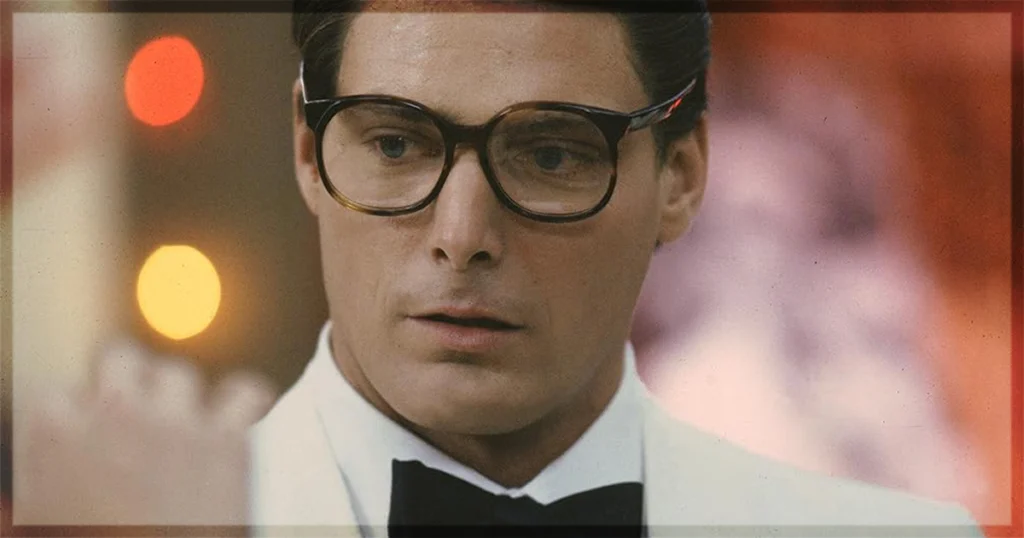
Reeve undoubtedly embodies the essence of this iconic character. As both a symbol of hope and humanity, Reeve keeps a keen sense of optimism. In a world bridled with war, he wants nothing more than to keep the peace. Moments of the film showcase this, particularly in a speech he gives to the United Nations. Within those sequences, the film reveals glimpses of what makes both Superman and Superman II iconic stories. Besides those sequences, something is missing in this performance. Outside of said sequences, Reeve delivers a performance that feels conflicted.
In almost everything he does, Reeve feels like he’s going through the motions. The action sequences feel dated and have no palpable tension. That is not necessarily in how Reeve performs the action, but the stakes in those sequences. As an audience, we know Superman will defeat Lex Luthor and Nuclear Man. That makes Clark have an underwhelming sense of world-weariness. In a better movie, that could be a unique wrinkle to the character. Here, it simply feels like a lead actor going through the motions.
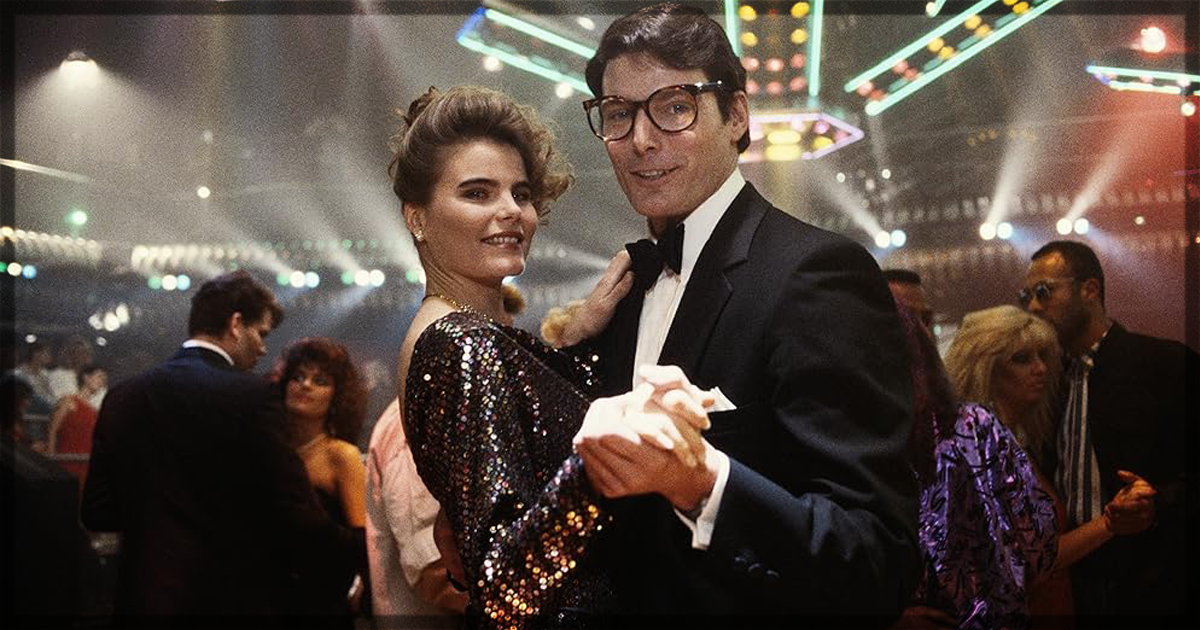
Add in lackluster visual effects, and not one of those “action” sequences feels tense. They all think like heavily green-screened and sound-staged moments. It can be best described as the actors rushing through these moments to get to the most likely delicious craft service lunches. At 90 minutes, it makes those sequences feel like an eternity to watch. Then, we have the counter of Clark’s life as a reporter in the Daily Planet. Unfortunately, those sequences do not prove any better. That is especially noticeable in the sequences of Margot Kidder as Lois Lane.
Within those sequences, it’s admittedly difficult to tell one thing. Do the actors simply not want to be there? Or is the writing insufficient? After watching the film, it’s difficult to know an exact answer. Instead, it merely leaves Lois, Jimmy Olsen (Marc McClure), and the Daily Planet editor-in-chief, Perry White (Jackie Cooper), as underdeveloped. To be clear, none of those characters were intended to be perceived as real people. But they all felt like pieces of the larger story. Instead, they’re reduced to being nothing more than just types without any personality. That said, there is only one performance that rises above the ranks: Lex Luthor.
Similarly to the first two films, Gene Hackman brings a sense of fun to his portrayal here. It’s very noticeable as a scenery-chewing part, but one that understands the assignment. Hackman is having fun as a moustache-twirling villain, and conveys that to the audience. He’s undeniably threatening, but also just enjoyable to watch. That is, even with a script that feels like a bad Saturday morning cartoon. Granted, by the time the credits rolled, it simply made me pine for the movie this could have been.
Superman IV: The Quest for Peace does not feel like a movie, but a product. All involved were simply meeting a quota. Such a feeling makes this feel like anything but an actual Superman movie. The film ultimately proves to be nothing more than wasted potential. It does not tarnish the legacy of Christopher Reeve as the character, but exists as less than the sum of its parts. That makes Superman IV: The Quest for Peace the worst Superman film to date.
Superman IV: The Quest for Peace is available to stream or purchase at your retailer of choice.
You might also like…