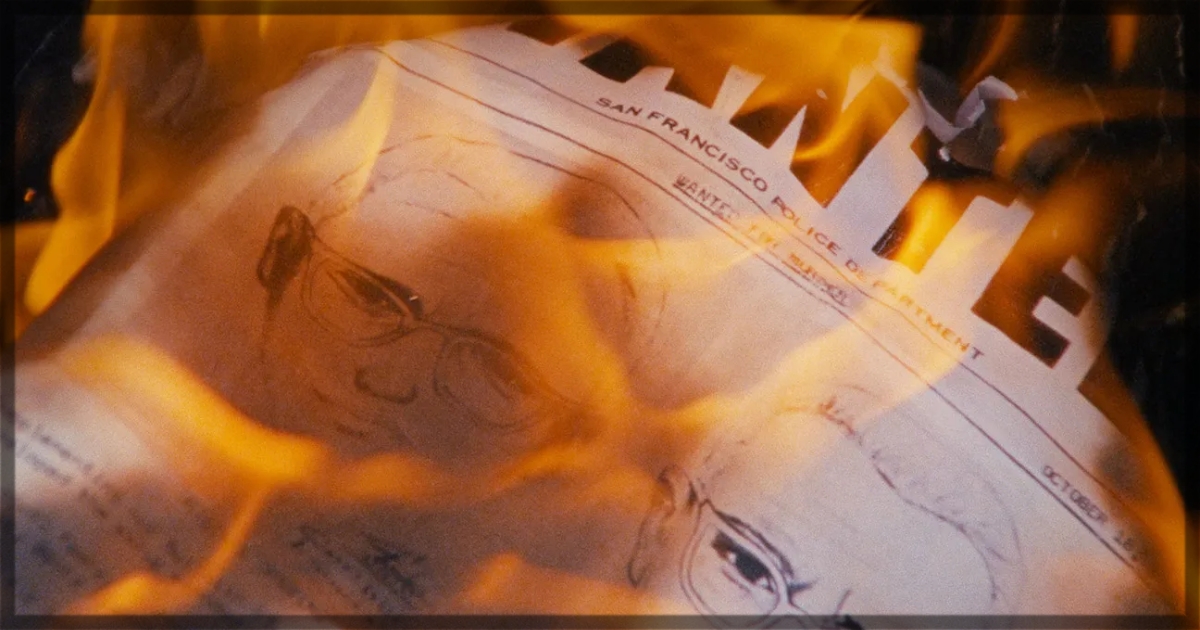
The British multi-artist Charlie Shackleton is among the most fascinating figures in modern non-fiction. Throughout his extensive catalogue of short films, the director discussed criticism in the TikTok era, low-budget film production in the 1990s, but his most well-known work is a 607-minute static shot of paint drying on a brick wall in Paint Drying. His style combines fascinating themes with a remarkable rhetoric that speaks directly to the audience, as he narrates most of his films. In his last project, also his most high-profile work thus far, the Zodiac Killer Project, Shackleton delves into the phenomenon of True Crime media. He bases his thesis on Zodiac Killer Cover-up: The Silenced Badge by Lyndon E. Lafferty, the book that unmasks the identity of the murderer, a crucial character in the thriller genre in recent American filmmaking, such as Zodiac by David Fincher. Thus, the director unveils the patterns of the True Crime documentaries in his latest film.
Firstly, the prolific young filmmaker opens the film by narrating a portion of what he read in Lafferty’s book. The imagery from the writer in a car around Los Angeles while talking to sources who lead him to find the truth about the lifelong mystery. Yet, Shackleton’s narration drives a direct fascination with his voice, a deep voice that compels people to pay attention. In a sense, his voice-over is similar to a podcast, a modern medium in which the genre has been disseminated and has become a commercial hit. Despite the intention to create a narrated adaptation of the 2012 book, even borrowing the discourse style from a digital format that benefited the True Crime sub-genre, the director flips it completely. Even though he mentions the imagery that spans the productions, Zodiac Killer Project is both an x-ray of the book’s writing and a dissection of the productions’ laziness.
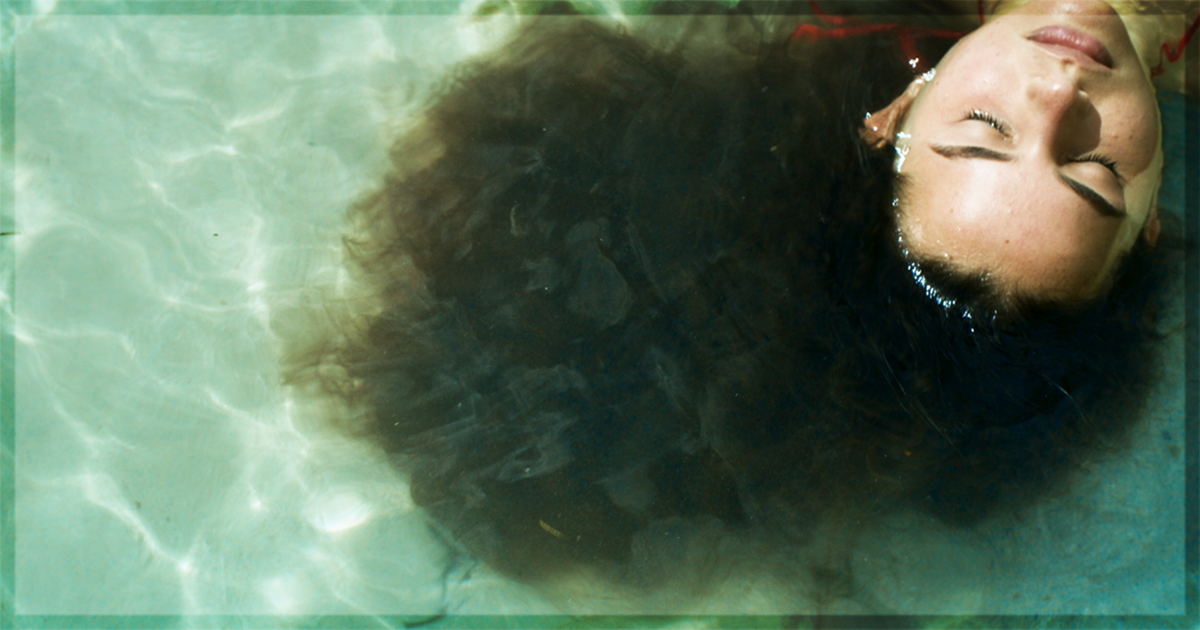
Since the popularization of streaming services, non-fiction and reality content have become a well-consumed genre. For several reasons, those types of products became engaging for audiences. Consequently, streaming networks began purchasing more and more of that content, particularly productions that analyzed the execution of crimes, with violence at their core. Even if they bring back Truman Capote’s In Cold Blood, audiences have been consuming media that scrutinizes the psychology of brutal crimes, even empathizing with the murderer. The difference is in how viewers reach those stories. In the 1960s, it was through books and novels. Then, Hollywood films and documentaries, and nowadays, podcasts. Similar to his past projects, Shackleton delves into filmmaking, an interest from his essay work. He explains how elements in the editing have been popularized through multiple projects, predominantly streaming content. The filmmaker mentions using evocative B-roll to provoke curiosity in the audience, such as bullets falling to the ground accompanied by metallic sounds.
In a sense, throughout the squared windows, Shackleton exposes similar shots from different shows or films that prove his point. He mentions the ordinary use of narration, such as the quietness of a specific town corrupted by dark forces, or the fading aerial shot of woods and landscapes. All of those elements became a formula for rushed, lazy True Crime projects that feed an audience eager for an explanation of an irrational, brutal crime. Even in his final remarks, the director questions if the genre’s population draws from a human difficulty of letting the past take in. Yet another reason explains the audience’s desire for those stories. Streaming and non-linear programming conditioned viewers to fear missing out on the subsequent hidden case of brutality, particularly because if they do not watch it in the release week, how will they participate in the social media’s weekly discourse? Our modern times allow for the quick consumption of shallow productions that heavily manipulate the material to trend online. Furthermore, the director attempts to balance the making of the book and the lack of virtues in True Crime productions. Although it succeeds in most of the project, Shackleton’s narration and filming of the static LA landscape drag too much and tire in some moments.
However, throughout a visually fascinating project that follows the passages mentioned in Zodiac Killer Cover-up: The Silenced Badge and the dissection of the usual tropes of True Crime, recent projects, Charlie Shackleton studies the phenomenon of the genre, which provides lazy, shallow media to audiences. Uniting his striking narration and a fascinating organization of his content, Zodiac Killer Project has its tiring passages. Yet, it is an outstanding dunk on the current poverty of the trending sub-genre in non-fiction filmmaking.
Zodiac Project Killer is streaming.
Learn more about the film, including how to watch, at the IMDB site for this title.
You might also like…