
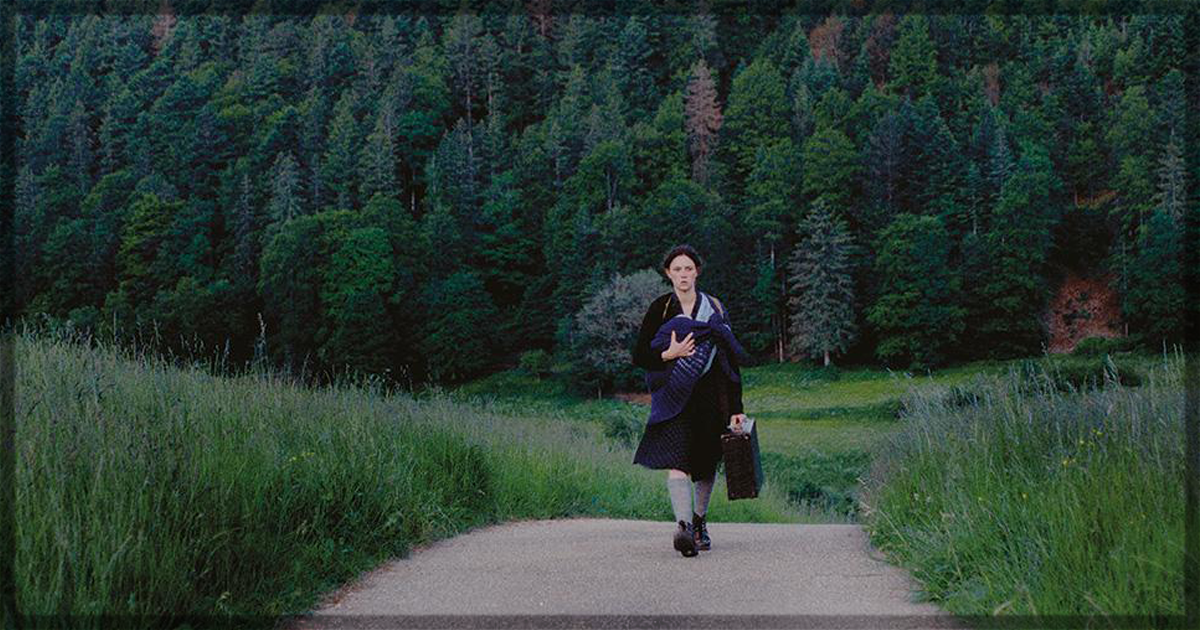
There’s a little scene late in Silent Rebellion (À bras-le-corps) where a disgusting boss offers the young heroine, Emma (a wonderful Lila Gueneau), a “chance” at promotion, but is prevented from molesting her by an older female colleague making a scene. The other woman is punished, but she and Emma exchange a slight smile which means they both appreciate what the other person has done, and will continue to look out for each other. This practical, working-class feminism – where female solidarity is automatic even when it puts your body on the line – is so rarely shown in movies it deserves enormous praise.
The original title is a French-language idiom that in English approximates to “put your back into it” or “roll up your sleeves” – in other words, a problem that can only be solved through hard physical work. The choice of Silent Rebellion for the English title of this Swiss movie is not great. The young heroine is not particularly silent about what happens to her, and for another, she does not especially rebel. Instead she is rejected. That said, her realisation of how she is being punished for something which was not remotely her fault is done largely in silence, so in that sense maybe it is appropriate after all. Either way this is a wonderful movie about a very young woman in rural 1940s Switzerland absolutely refusing to cede control of her life. This kind of feminism is so damn uplifting you can title it whatever you want. Actions speak louder than words.
When we first meet Emma, she is sixteen and undergoing an exam by the village elders for a religious-based scholarship that will allow her to go to high school. She’s had to drop out since her mother (Sandrine Blancke) was exiled from the village in disgrace – a punishment Emma heartily agrees with – and obviously her father isn’t going to look after the little kids himself. She is the housemaid for the village pastor, Robert (Grégoire Colin), whose wife Elise (Aurélia Petit) really wants Emma to get the scholarship so she can continue doing the schoolwork for her cheerful but less bright daughter Colette (Sasha Gravat). Emma and Colette are genuine friends, so Emma doesn’t mind carrying Colette academically, but she does indeed mind that she gets very little credit for her intelligence. And being such a good girl has its limits: she also does embroidery work for Elise, who sells it to local stores under her own name, which upsets Emma greatly when she finds out. Emma has so much to do she has little time to have any interest in Paul (Thomas Doret), the youngest of the local border guards, who is sweet on her. And the border guards themselves don’t have a very easy time: refugees (ahem) are often followed over the border by Nazis and if captured Swiss neutrality doesn’t allow them to intervene. Instead they have to escort the Nazis and their captives back.
Robert is sick at heart about these atrocities which he is powerless to prevent and this is starting to impact his behaviour with his family and his congregation. But Emma is only responsible for her own conscience. She is cutting turf with her father one afternoon when a running man freezes at the sight of her. Without hesitating she points him in the right direction, and when less than a minute later she’s grabbed by a Nazi and asked if she’s seen anyone, all she says is, “No.” And Emma is also brave in other ways, like when two journalists from the religious paper come to stay and Elise allows her to join a picnic for them. Emma is thrilled to meet handsome young men who are travelled and educated, but the cruelty of what happens to her on that sunny hillside irrevocably changes her life. But even as people who could easily help turn their backs, a well-deserved slap is meted out, and others don’t even bother to disguise a life of drudgery with a smidgen of kindness, nothing changes Emma’s determination to make something of herself. She will not accept the scraps she’s been allocated, and by God she’s going to go as far as she can whether anyone helps her or not.
But help does come, and it comes from other working women. Director Marie-Elsa Sgualdo, who co-wrote the script with Nadine Lamari, brings a defiant spirit and a huge appetite for life that embraces both its ugliness and its joy. There’s a big emotional connection to The Happening, the recent French movie about an equally determined young woman, largely based on that sense of self-determination even against the fiercest of obstacles. But Emma’s story is not as academic and certainly not as splendid. When you are denied an education your intelligence becomes less important than your body and the work you can cause it to do. And yet Emma’s intelligence will not be denied, because she won’t let it. Silent Rebellion is an incredible debut for Ms. Sgualdo and an important new addition both to the global feminist and the working-class canons. Hard work hurts as much as it helps, but the refusal to give up and solidarity with other people in your position are really what matters, and Silent Rebellion is an uplifting demonstration of what’s possible when we link arms and keep going.
Silent Rebellion (À bras-le-corps) recently played at the Venice International Film Festival.
Learn more about the film at the official Venice site for the title.
You might also like…