
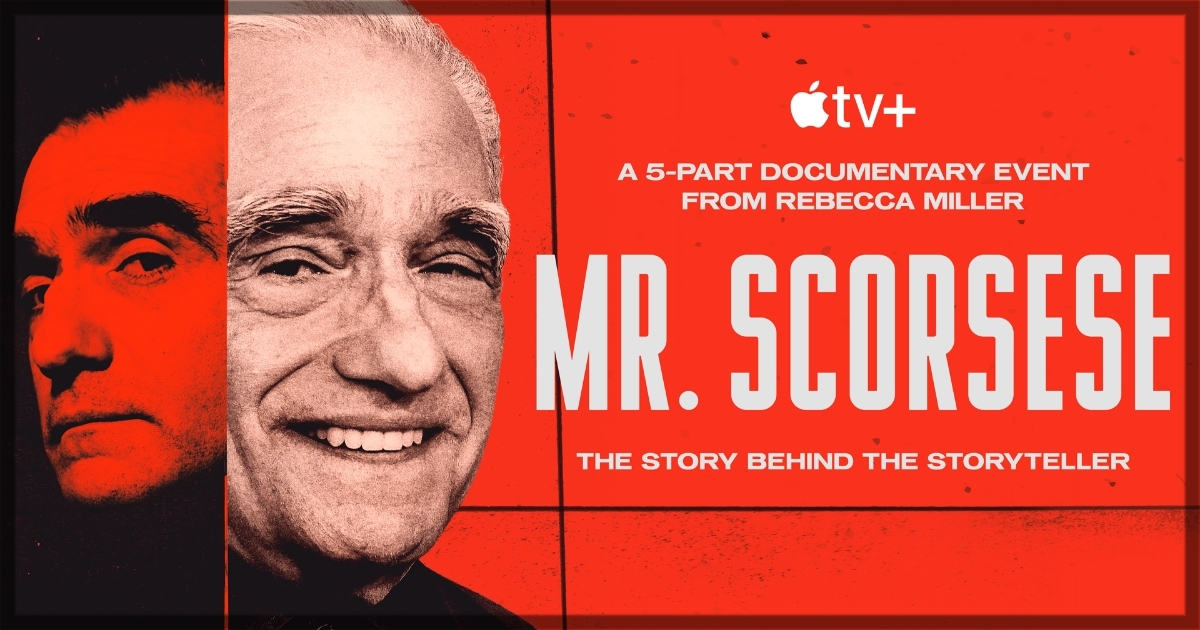
In the early 1950s, the legendary French magazine Cahiers du Cinéma popularized a new manner of analyzing cinema. Hence, the politique des auteurs (auteur theory) became their central thesis, in which film criticism analyzed films through the lens of the whole and the filmmaker’s style. Thus, in a subsequent consequence of the magazine’s theoretical work and the decade of boiling cultural changes, predominantly due to the post-war societal shift. It birthed the French New Wave (Nouvelle Vague); a proto-example is Agnès Varda’s La Pointe Courte, but À bout de Souffle (Breathless) by Jean-Luc Godard transformed French cinema and inspired filmmakers across the world. Therefore, in the context of the lifting of the Hays Code in the American Cinema, a new generation becomes the creative guideline, organized in the New Hollywood movement. Accordingly, a group of students in film schools draws inspiration from the European vanguards and helps construct this new chapter in American cinema. In Mr. Scorsese by Rebecca Miller, we learn how the fragile child of New York became one of the voices of the American movement that changed the industry.
In the first episode, “Stranger in a Strange Land,“ we learn about the docuseries’ structure. The title card names it as a film portrait by Miller, who combines the rich archival footage of one of the most iconic figures of the last five decades in American cinema. Yet, the central virtue of her approach is the honest conversation with the master. Structurally, it follows a chronological order, leaning towards the conventional skeleton of a celebrity documentary. However, Martin Scorsese is a charismatic fella to hear himself talk about his early life and career. Hence, we understand the dynamic of his Italian family, which is the second American generation after his grandparents’ immigration in the early 1900s. Thus, growing up in Queens, he observed the mafia working around his neighborhood, particularly due to his observation from his apartment’s window, when he could not play outside due to his severe asthma. Paraphrasing one of the interviewees, the lung disease gifted one of the world’s most quintessential filmmakers. He would watch films on TV, and when it was too hot, his father would take him to the theater.
Scorsese enrolled at New York University (NYU), where he worked on his first projects, such as Who’s That Knocking at My Door, which offers a glimpse of his style. Miller explores the reception of his early college films and his rejection from the production of Woodstock, which became one of the most essential portraits of the American counterculture. His frustration and uncertainty about the director’s career are the central themes of the second episode, “All This Filming Isn’t Healthy.“ Despite the deception with his career after the 1960s, Miller portrays the exciting outcome after Mean Streets, his first feature to receive universal praise upon its premiere at the New York Film Festival, and his first partnership with Robert De Niro. Therefore, the second episode narrates a generational run by Scorsese, who directs Alice Doesn’t Live Here Anymore and then Taxi Driver, winning the Palm d’Or despite problems with the film’s violent cut in the United States. The director reaches a creative and popular peak in his career, only to see it suddenly fall apart with the gigantic flop of New York, New York, and his substance abuse after the production of The Last Waltz.
In a sense, Mr. Scorsese has triumphed in showcasing an individual who is open to discussing the failures of his career and his lifetime. For multiple times in his life, his films weren’t successful, which is the theme of episode “3”, “Saint/Sinner“, episode 4, “Total Cinema”, and the final one, “Method Director.” These episodes feature the projects that made the world remember Scorsese’s geniality. Firstly, Raging Bull, a therapeutic collaboration with Robert De Niro and a re-encounter with Thelma Schoonmaker. Hence, the portrait is constantly bringing the legendary reception of Goodfellas and the complicated process of Gangs of New York. These conversations with Rebecca Miller are a well-thought-out process of understanding a legacy that is still under construction. Marty is trying to narrate the events in his life. Thus, it is a thoroughly fascinating narration of his entire life, particularly the multiple films that impacted the history of cinema.
The film portrait by Rebecca Miller works through its conventional, but charismatic, authentic, and honest portrayal of the life of a genius, the one and only, Martin Scorsese. Although it might not be a definitive work, it is an entertaining and didactic holistic view of his catalogue, except for Hugo, who is not present here at all. Yet, it is a five-hour conversation with the world’s favorite film guardian.
Mr. Scorsese is streaming on Apple TV+.
Learn more about the series on the Apple TV site for the title.
You might also like…
Review: Slow Horses on Apple TV+ is fast paced and extraordinary with a sharp wit