
Throughout the social formation of the Americas, religiosity is fundamental to understanding the rooted traditions of the multiple Latin cultures. In a sense, the moral compass, the ethics, and the comprehension of the world reflect the influences of the Portuguese and Spanish Catholics, who, through the genocidal project, spread the Roman Catholicism through the Jesuits. Hence, the dozens of countries in America suffer from the heritage of those constructions. Beyond the sustaining of the corrupt economic system of the colonizers, who murdered, robbed, and usurped the Latin American resources to fund their projects of luxury and power, the Americas adopted Christianity as the moral ruler of their societies. Therefore, from a sociological standpoint, some of the taboos in the community stem from the understanding of the Catholicism of the notions of a human being. Human rights discussions on abortion and euthanasia are beyond the acceptable for the conservative religious societal hierarchies of the Latin America. Paula Cury unfolds the contradictions of the abortion prohibition in the Dominican Republic in her debut documentary feature, Scarlet Girls (Ninãs Escarlata).
Cury’s feature is an expansion of her award-winning short film, Adrift (A La Deriva), which narrates the drama of Dominican girls who lack the proper sexual education and suffer from the prohibition of abortion in all instances. In the first telling, a girl talks about the sexual abuse episode that she suffered as a teenager. Her mother’s partner, her stepfather, abused her, and she became pregnant from the violent event. Yet, in the context of the country, she has to keep the baby. The Dominican Republic is one of the countries that completely ban it on the continent, despite the conservative formations of most of the nations, they have the so-called three exceptions: incest or rape, risk of death for the pregnant individual, and lethal fetal anomaly. However, the inherent conservative formation and administration of the Caribbean country condemns women to live with the recollections of their violence, the remembrances of the events. In this sense, beyond the flashbacks of the abuse, raising a child by your abuser is a constant reminder of the judgment of the state, which obliges you to keep the result of a brutal moment.
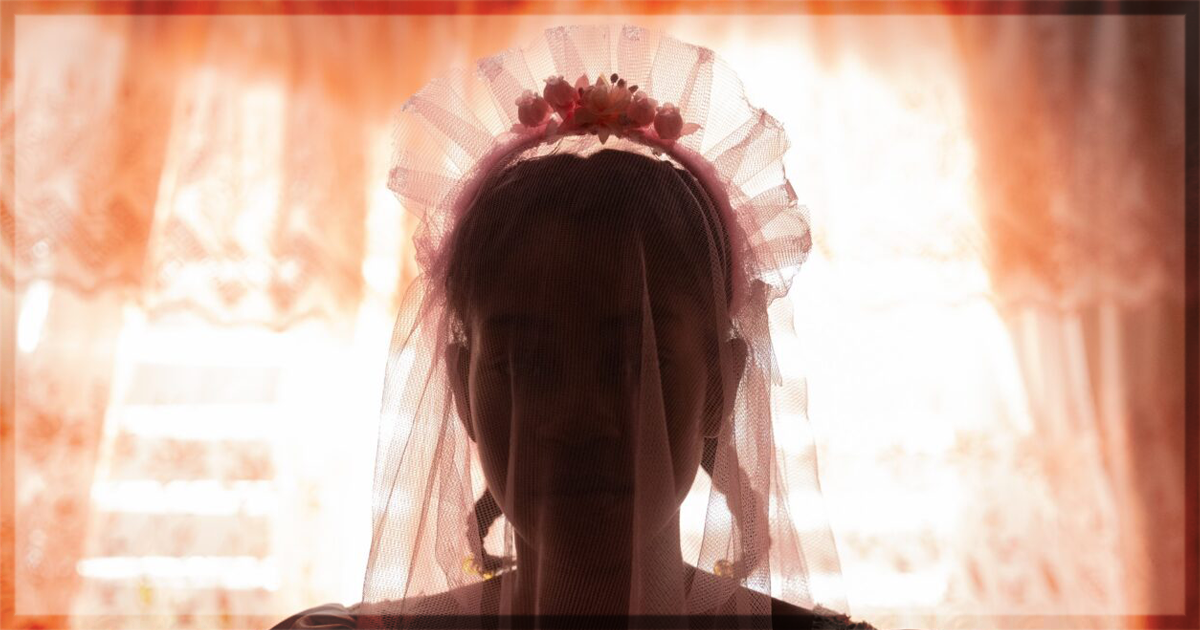
In her first feature directorial work, Paula Cury documents the surroundings, the margins. The victims are rarely in front of the lenses; they are mostly in shadows, close-up shots that protect their identity. The young director decides to protect the subject’s identities, who bravely speak out on the problems of the legal system in supporting the women. Throughout a critical approach, the banning of all kinds of abortions leans towards protecting the abuser more than the victim. Another striking moment is how the educational system discusses it in the classroom. The teacher states that the best prevention for sexual relations is abstinence. Furthermore, by teaching sex throughout the guilt and shame perspectives, the young individuals who are victims of abuse, especially by family members or people close to the nuclear community, feel guilt for the aggression.
By constructing the documentary through the stories rather than the images, the director brings a focus to the words and their truth, rather than the figure of the victim. Impressively, Cury flips the title that refers to The Scarlet Letter, the classic novel by Nathaniel Hawthorne, which narrates the story of a woman who cheats and is obliged to wear a capital letter A in red to expose her immorality. On a surface level, the director affirms how needing an abortion and being denied by the legal system positions a capital letter in the victims, exposing the violence they suffered. However, instead of contributing to the disclosure of those violences, the director protects those young women, who feel guilty and ashamed for the violence they did not provoke. It becomes a matter of unveiling the contradictions of a conservative society, which fails to protect the victims and denies abortion rights. One of the subplots is the occurrence of a new vote in the parliament to discuss the three exception rules. In a new case, the majority rejects displaying the possibility of a less traumatic existence to the victims, yet they continue to broaden their pain.
Ultimately, Scarlet Girls (Ninãs Escarlata) is a fascinating exercise of exposing the contradictions of a conservative nation by hearing the truth from the voice of those wounded by the brutal violence of the sexual abuse. In an impressive debut, Paula Cury delivers a poetic and heartbreaking document of the colonial heritages in the Latin America, throughout the marks that bleed the bodies of young women.
Scarlet Girls recently played at the CPH.Dox Film Festival.
Learn more about the film at the festival site for the title.
You might also like…
‘La Belle Année’ Documentary Review: A Bloated Remembering of Teenage Desires