
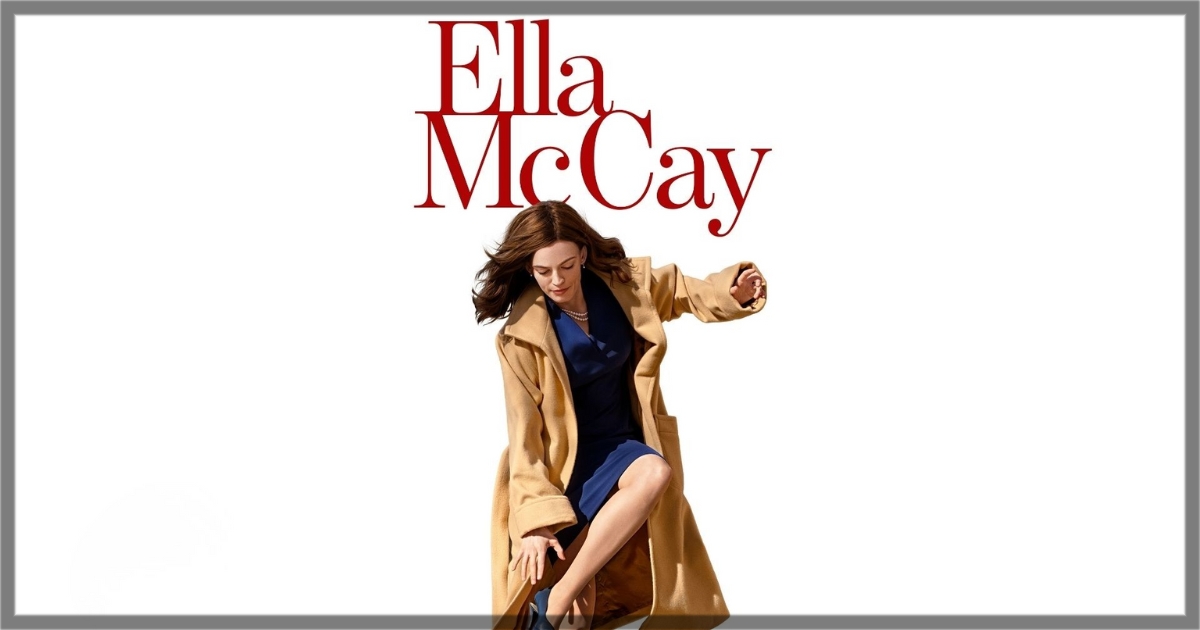
James L. Brooks is a legend in American popular culture. In the 1970s, he co-created groundbreaking TV shows like Room 222 and The Mary Tyler Moore Show, a breakthrough sitcom that influenced plenty of showrunners in subsequent periods of TV. Yet, in the 1980s, Brooks achieved success in film with Terms of Endearment, a commercial hit that won five Academy Awards, including Best Picture. Likewise, it was the decade that put his name on the cultural pantheon with the co-creation of The Tracy Ullman Show, ultimately leading to the development of The Simpsons. The director and writer has dedicated six decades of his life to storytelling. However, it has been fifteen years since his last film, How Do You Know. Despite the distance from the directing chair, his production role led to impactful works, including Kelly Fremon Craig’s two films: The Edge of Seventeen and Are You There, God? It’s Me, Margaret, both films feel like sentimental successors to Brooks‘ heartfelt style. Finally, he is back with Ella McCay.
The film tells the story of the titular character, portrayed by Emma Mackey (Sex Education & Barbie), a prodigious and idealistic woman who is the lieutenant governor of her state. Suddenly, the thirty-four-year-old woman inherits the governorship when Governor Bill (Albert Brooks) is appointed to a new role with the government. Despite the honorable political path, Ella’s family history is complicated. Her father, Eddie (Woody Harrelson), used to cheat on her mother and fail to provide for their family. Her brother, Casey (Spike Fearn), is an analytical genius with agoraphobia; hence, he does not answer their calls or leave the house. Ultimately, her husband, Ryan (Jack Lowden), dislikes the idea of being the first husband and requests an official position in the administration, amidst a controversial scandal about their sexual habits in a government flat during lunch break. Although her career has peaked, her personal life is crumbling.
The first crucial detail for this film is its setting. Brooks goes back to 2008, during the economic crisis that shook the American economy, and consequently, the world’s. Despite an initial strangeness, it is a decision that aligns the film’s events with a past American political order, one that was radically crushed by Trump’s first term. In a prompt exercise, the film’s central conflict. The sex visitations in the government’s office, would not matter as much with the current administration of the country. Therefore, the director and screenwriter lean to the past understanding of decorum and public scandal in public administration, a notion lost in the post-truth era. Furthermore, those actions and morals feel like a distant past, but the director’s style adds a sweet tone to each character’s personal dramas.
In this sense, despite her immaculate competence, Ella overthinks and overweights each event in her life, either in the political or personal sphere. Hence, Mackey delivers the perfect tone to this young woman who has conquered much but fears losing it all. There is an insecurity that feels close to the audience; yet she has a solid moral compass that does not change according to what the circle around her wishes. As in his other works, the films’ best moments come when his characters converse and reveal their feelings. Jamie Lee Curtis shines as Aunt Helen, a mother who steps in for Ella. As a whole, the titular character concentrates the film’s story; nevertheless, there is room for the others to shine as well. Ayo Edebiri has a brief scene as Casey’s girlfriend, but the awkwardness of the moment provides a beautiful dialogue between Susan’s and Casey’s decisions about their future. Ultimately, the most impressive moments in the film are the conversations among those characters, particularly regarding the gap in Ella’s position. Despite her love for all those individuals, even her father, there is an evident rupture of her wishes and the afetuos instants in life.
The return of James L. Brooks means a return of his usual partners, such as Tracey Wadmore-Smith in the editing room and Hans Zimmer in the music department. Nonetheless, he welcomes other veterans, the legendary costume designer Ann Roth, and cinematographer Robert Elswit. There is an impression of a nostalgic dramedy in this film, the type that would approach multiple themes at its core, such as politics, but with people as the central element. It is the case here, Brooks returns after a decade and a half to study these characters in absurd situations, reacting to public opinion, but attempting to amend their relationships. Yet, cinema needs Brooks’s sweetness and humanist views on daily life. Ella has several flaws, but she is a person dedicated to healing the public wounds, helping the homeless, and fighting to pass the mom’s bill, which supports mothers raising their children. In a world that grows bleaker each day, some idealism certainly has some appreciation.
After fifteen years, James L. Brooks returns to his romantic vision of the world, a style that reminisces about the films of the 1950s and 1960s, but adjusts his writing to a pre-Trump era, when politics felt normal. There is an inherent sweetness to Ella McCay, a film that is nowhere near perfect, but enchanting due to the humanistic core of its characters and moments that let the actors shine.
Ella McCay arrives in theaters this Friday.
Learn more about the film, including how to buy tickets, at the official website for the title.
You might also like…