You don’t realise how tough it is to make a good documentary until you see ones which fall short. For a documentary to succeed, it needs to back up its assertions in ways which will stand up in court, access to the people who will give you that backup, and to balance the investigative skills and human thoughtfulness which will enable secrets to be revealed on camera. Directors Andrew H. Brown and Bea Wangondu have the access thanks to Ms. Wangondu’s family connections, and they have a fantastic eye for image, but they don’t have the ability to back up the assertions Kikuyu Land is trying to make. And therefore, unfortunately, Kikuyu Land is not a good documentary.
Ms. Wangondu grew up in a privileged landowning Kenyan family whose property is surrounded by tea plantations owned by some major multinational corporations. The ways in which the corporations were able to take over the land from the original owners remains a source of contention. Some brave people who still have the documents from back in the day are determined to sue the corporations for what the land is worth – compensation which was certainly never fairly paid in the colonial era, and which the Kenyan government is investigating now. While Mr. Brown and Ms. Wangondu are at it, they start talking to current and former workers on the plantations, attempting to investigate some very serious allegations of worker mistreatment. One woman does even go on camera with her unhappy story, but there’s just no proof provided to back up her disturbing claims. By contrast, when Mr. Brown and Ms. Wangondu are going through archives in London, they come to a realisation about Ms. Wangondu’s family that’s a huge shock for her. But as the movie pivots to focus on Ms. Wangondu’s personal experiences, the wider issue of the systemic injustices here is lost.
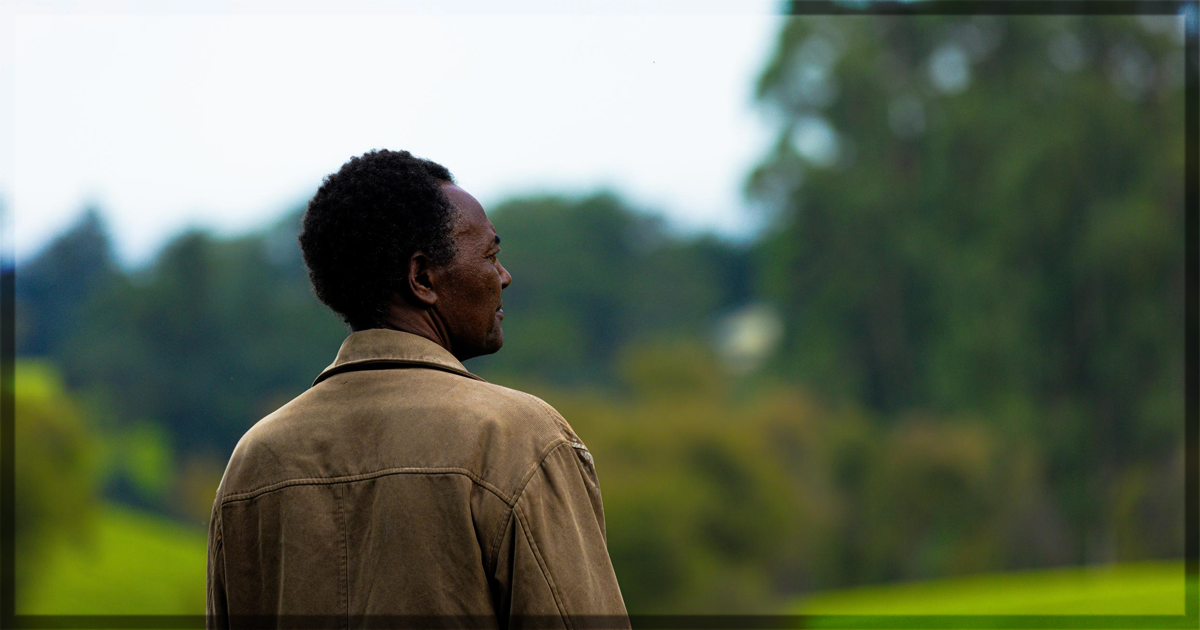
This is a great shame, because Mr. Brown – who also shot and edited the documentary – has a talent for an arresting image. The sequence which follows three boys, children of tea plantation workers, as they play across the hilly fields is worth the price of admission. The spectacular scenery makes an enormous contrast with the drudgery of the work being carried out on those hills, and shows us why this land has been so contested without needing words. But despite all the beauty, there’s not much hope for justice here, since what power does anyone on that land have? What’s worse is that the filmmakers don’t seem to realise that the British lawyer who appeared on camera in a London coffeeshop affirming their sense of injustice was speaking personally, not professionally. (If she was speaking professionally she would have done so from an office. It’s clear she was doing them a favour, and they didn’t seem to realise it.) They also don’t seem to realise that governments and businesses with a vested interest in keeping things as they are know how to ignore old paperwork, and it will take more than righteousness and a sense of fairness to upset the applecart. Worst of all, a documentary that mainly focuses on the feelings on the documentarians is a therapeutic exercise and little more.
It really is a shame, because the wealth and profit those tea plantation workers make with their backbreaking work certainly hasn’t trickled down. The injustices of the colonial system should not be continuing, and the correct value of all these resources should absolutely be paid with interest. But when the filmmakers realised Ms. Wangondu’s feelings were the only thing they could prove, they should have checked their whole premise. But without the hook of the bigger injustices here, Kikuyu Land would struggle to find its audience. As it is, the documentary has been picked up for international distribution, possibly because its access and its beauty is considered more than enough. It’s certainly true that a cinema screen is not a court of law and reaching ‘hearts and minds’ is often the first step for firmer, lasting change. But on its own Kikuyu Land just isn’t good enough to make a real difference. It really is a shame.
Kikuyu Land recently played at Sheffield DocFest.
Learn more about the film at the IMDB site for the title.
You might also like…