Cinema works as a personal diary for filmmakers. The camera as an instrument substitutes the pen, words shift to images, and the stories build upon a different logic. Similar to the process of writing in a journal, there is a process involved in the act of storytelling. The written story undergoes several rounds of word editing, grammar proofing, and an inner logic that validates the impact of those words, at least for the writer. In the shot logic, the editing does the same, but through the decision of what to shoot and what to keep during the editing process. An example of a personal diary on film is the work from the legendary filmmaker Jonas Mekas, such as As I Was Moving Ahead, Occasionally I Saw Brief Glimpses of Beauty, which captures thirty years of home footage. As a blueprint for the analysis of the personal documentary, it is impossible not to think of the Lithuanian-American when watching films of this type. It is the case for the debut work by the French filmmaker Angelica Ruffier, La Belle Année.
The diary documentary is a portrayal of the grieving process of Ruffier. She recently lost her mother, leading to her and her brother being the heirs and responsible for the destiny of their childhood home. As the legal imbroglio takes time, Ruffier has to stay in France rather than in her current home in Sweden. Bored by the bureaucracy, the director goes on the journey of digging through her childhood stuff stored in the house’s garage. Among various drawings, collages, and junk, she finds old letters of hers from school, narrating about a teacher who awakened something in her. Ruffier travels back in time by reading those letters that confessed her attraction to her teenage desire for a mysterious and sensual teacher.
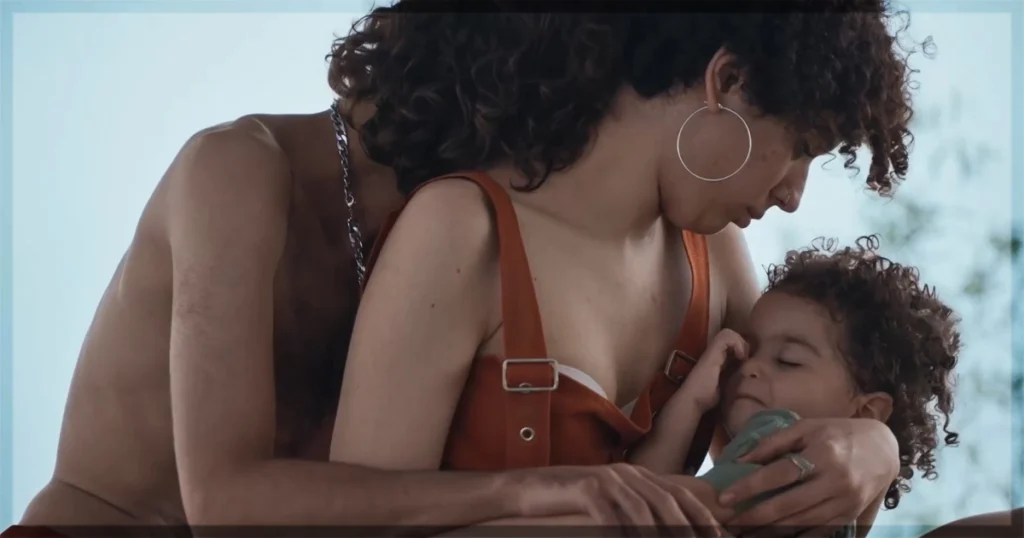
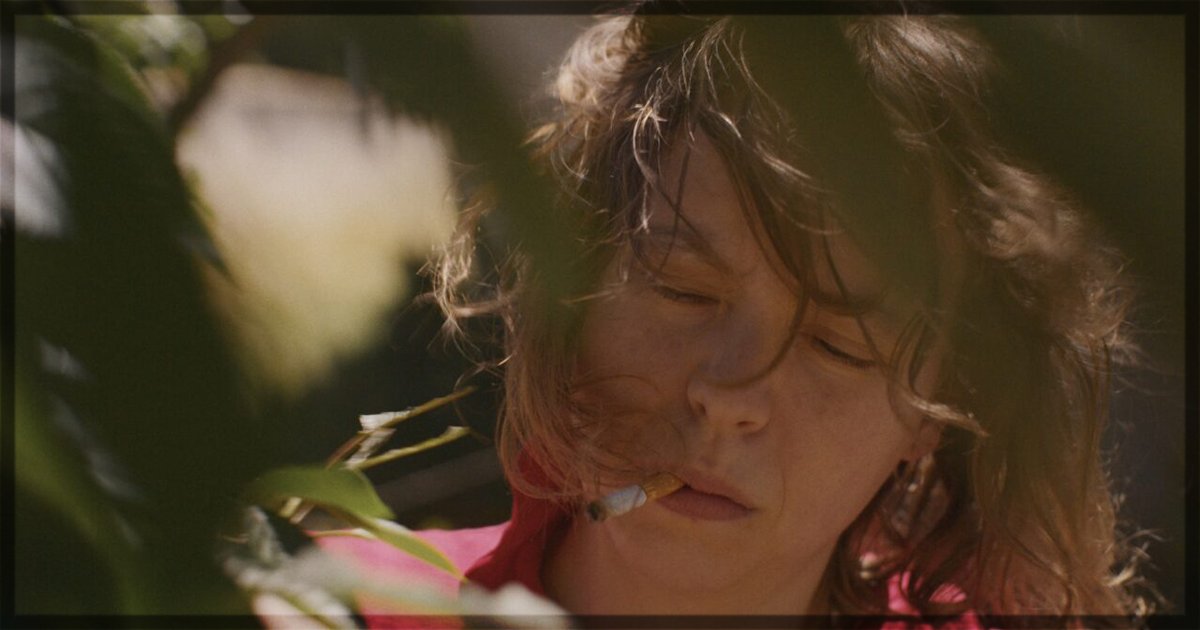
La Belle Année is a film that approaches one’s past desires through the physical evidence of time. Letters and journals expose the sentiments of an individual from a past period, a historical confirmation of someone’s trajectory, desires, and past thoughts. In this case, the exposition of the director’s sentiment during high school unfolds as a treasure hunt. At first, she is unsure of what the reward is, but the letters bring back memories of a simpler time. Her mother was alive, life was uncomplicated, and the observance of her teacher during class was a highlight for her fantasies and adolescent yearnings. Obviously, the nature of the relationship is immoral: the teacher and their student.
Yet, the film is an exercise in memory and reminds one of other works of French artistry that narrate the prohibited nature of that relationship. An easy connection is the New Yorker classic article, The Immortal Gatito by Mavis Gallant, which tells the case of Gabrielle Russier, a teacher who had an affair with her sixteen-year-old student. After her prosecution, she committed suicide, and the case scandalized France, and then the rest of the world through the article. In a sense, the collective memory of a scandal in the time of the protests of 1968, a historical revolutionary moment of France, led by students, might connect with a more profound understanding of the fascination of a student with their teacher. Still, the more impossible the love, the more irresistible, in these moments of exposition of the director’s yearnings, are the most fascinating. It is an utterly personal exposition of her process of growing up, and the example of how priorities change. In that moment, in her adolescence, that passion would be utterly important to her, a vital part of her routine. In her adulthood, it provides space for other interpretations and conclusions about it.
Despite the natural engagement of the discovery process in the diary documentary structure, the inexperience of the director diminishes the impact of a film about desire. Numerous moments inflate the narrative of her life, including the multiple scenes about the legal entanglement, which are essential to justify her presence in France, but ultimately repetitive. In the same sense, it takes considerable time to shift to the fictionalization of some of her thoughts, which are engaging dramaturgy. Still, there are plenty of moments that suffocate the core of the film, which works the best when it narrates the differences of time, the past love, and the reaction to reading that testament of time now.
Finally, La Belle Année is a diary documentary that positions the debutant director Angelica Ruffier as a talented new voice in the non-fiction and docufiction world. However, the director’s inexperience diminishes the impact of a fascinating tale of desire through the bloated development of its story.
La Belle Année recently played at the International Film Festival Rotterdam.
Learn more about the documentary at the IFFR site for the title.
You might also like…