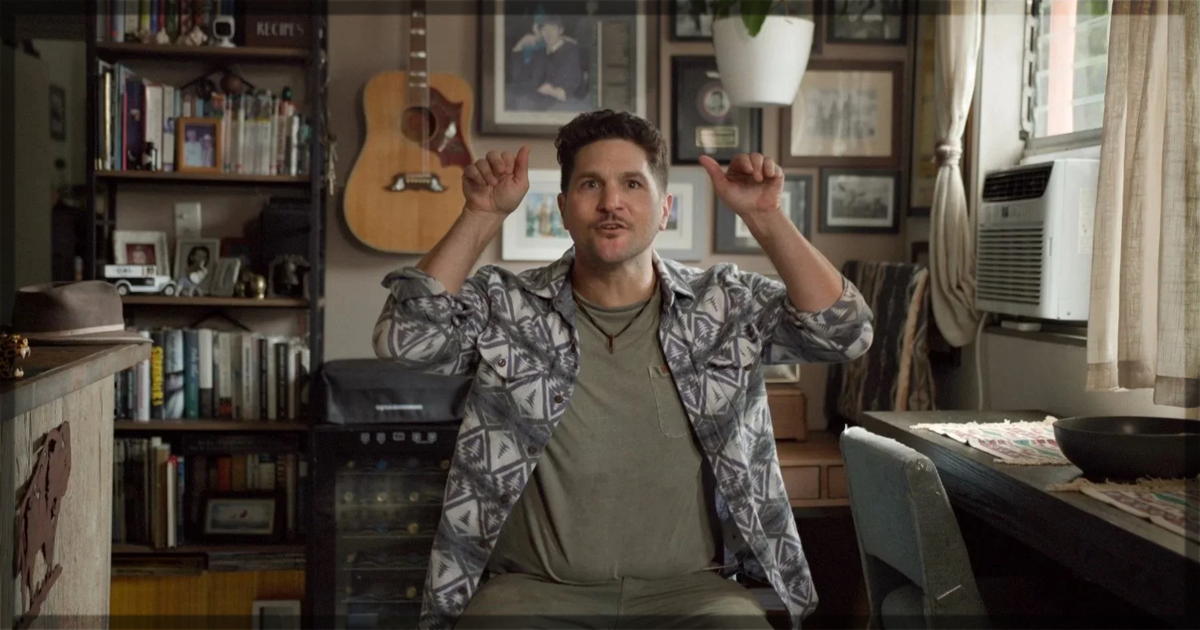
In the non-fiction medium, there is a fascinating sub-genre. In recent years, filmmakers have been documenting unconventional competitions. In both Girls State & Boys State, we follow a mock representative election by high school students who are aficionados of politics. In Pianoforte, the filmmakers narrate the International Chopin Piano Competition, another niche event for musicians. Documentary films convey unknown challenges that hold significance to a specific group of individuals. In Whistle, Christopher Nelius portrays the Masters of Musical Whistling contest, a yearly event that gathers the principal whistling musicians in the world. Hence, contestants arrange songs with their whistling abilities, utilizing their voices as the central instruments for the songs. Consequently, an independent organization holds the event each year in Los Angeles, bringing musicians from the United States, Spain, and Japan.
Similar to other competition films, the director presents multiple subjects, shifting from organizers to competitors. In this sense, we learn about the event from those who dedicate their whole year to it. Often, those people do not work full-time as musicians; they are hospice animators, professors, and actors, but they dedicate a specific window to the occasion, which chooses the best whistler in the world. Thus, there is a prestige in competing in the this particular niche contest. Therefore, we follow the central competitors, such as Ayna from Spain, Yuki from Japan, Molly, and Jay from the United States. Each of those has a different life. Jay is a professor of music at a college in New Jersey. Molly is a singer who collaborates with other musicians in Hollywood; meanwhile, Yuki and Ayna attempt to live solely as musicians in their countries. As with other specific areas, whistling is not a livable career for all of the competitors; yet, it gives meaning to the lives of all of those competitors.
Furthermore, a central element of the film is the competition’s owner, Carole Anne Kaufman, who calls herself the whistling diva. Despite her indisputable talent, the central producer of the event is a complicated individual. Even though she is the brain behind the masters of musical whistling, Carole is known as a tough one to deal with. Despite organizing the event, she requires an excessive level of commitment to her volunteers, even exposing them to embarrassing situations. Yet, the self-proclaimed diva of whistles presents an overly pretentious behavior, which creates a self-centered environment. In a scene, before the awards ceremony, she stops the closing to perform, drawing the whole audience’s attention to herself. Finally, there are a few clashes between her and the crew, such as fighting them over pricing a chocolate bar at two dollars. Thus, the show requires a margin of profit to stay sustainable in the subsequent years. However, her sense of self-entitlement creates a harsh work environment for the crew, who are volunteers. Hence, organizing the competition for Carole is an ego act; she believes that as the diva, she needs to take the step forward. Nonetheless, at the same time, the contest is a legacy exercise for the owner and an opportunity for the dozens of competitors.
Ultimately, Whistle attempts to create a fascinating glimpse at a niche competition. Most of the time, it does so. However, the final act, which becomes the conclusion to the competition, becomes rushed. Sadly, it focuses on the producer’s focus, which takes too much time from the final performances and the awards ceremony. Hence, in the odd competitions sub-genre, a tension gets created between a moral winner, the antagonist, and the Cinderella story. The same applies to the structure here. Regardless, the second act shines a light on the complicated figure of the diva; thus, there is not enough to understand about the three individuals who could become the new whistling world champions. Consequently, the result comes off the swing, a surprise, which is always fascinating. Yet, it lacks context to comprehend where the winner won the momentum for the win.
Finally, the documentary by Christopher Nelius bears a fascination for an unconventional sport, which has become a sub-genre in non-fiction in recent years. For a third of it, it is a highly engaging film, exposing the singularities of musical whistling, a sport that is not well-known to the majority of people. However, Whistle focuses too much on the political element, which surrounds an unlikeable character, forgetting the most fascinating aspect of the film: the sport. It becomes an unbalanced film on a curious competition, which is exciting when approaching the contest, and too bureaucratic when focusing on the central figure of the organization.
Whistle is now in limited theaters.
Learn more about the film, including how to watch, at the official site for the title.
You might also like…