Content warning: descriptions of incredibly graphic violence from the start
Sometimes a movie makes it apparent why we do the work we do. For example, if someone stabbed me in the shoulder, twisted the knife, and then stomped on the knife while it was still in my body, I might be able to pull it out. I would probably not be able to use that arm to beat someone to death with a piece of concrete stuffed full with rebar immediately after. I would certainly not be able to stroll outside one minute later to hoist a rocket launcher onto that same shoulder. But these frailties of mine are clearly why I am neither in the Indian army nor a big movie star showing the world what impossible feats Indian soldiers fighting terrorism are capable of. All Dhurandhar The Revenge is capable of is an appetite for destruction so hateful and violent that it becomes ridiculous, in the worst possible way.
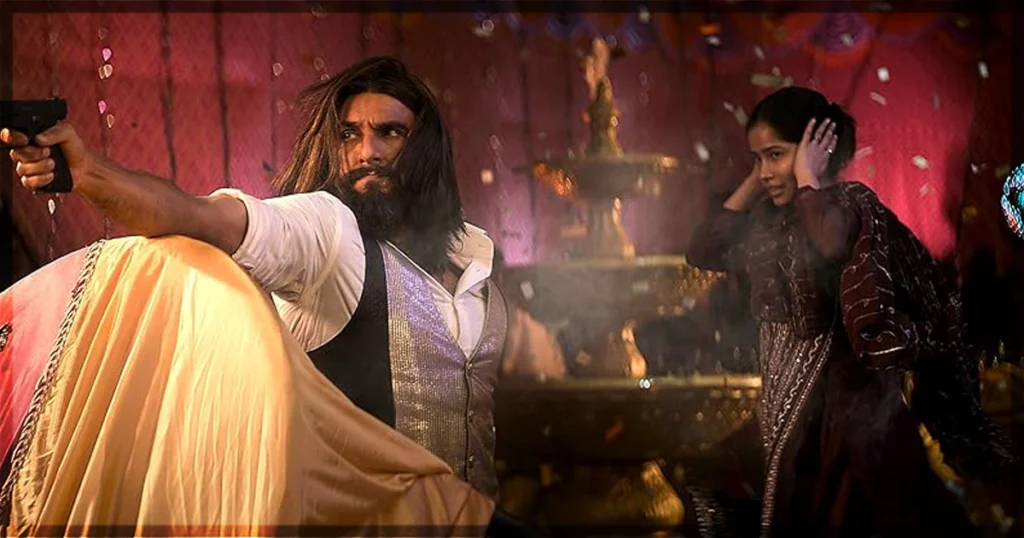
The first film, Dhurandhar, came out in December and has already become the fourth-highest grossing Indian film of all time. In that one Hamza (Ranveer Singh, more on whom later) successfully infiltrated a criminal gang in Pakistan. That gang is a key influence in Pakistani politics and also directly responsible for a whole bunch of anti-Indian terrorism. And its ugly violence was a day at the beach compared to this. Hamza was recruited from prison for this nasty undercover work, and the opening sequence of Dhurandhar The Revenge flashes back as to how a nice army boy like him ended up in prison. Brace yourself: after his father was murdered and one of his sisters raped to death, Hamza single-handedly infiltrated the household compound where his other sister was held prisoner and tortured and murdered all the men present until she was found. He goes so far as to shoot one of them dead via the last body part any gentleman would like to feel a bullet. As punishment for these crimes and in return for the secret undercover work shown in the first movie, his family gets a monthly pension of 30,000 rupees (approximately $320 or £240 per month, which doesn’t feel like a lot of money) for 36 years. After the flashbacks end and we’re caught up to the end of the first film, Hamza is in a position of power in the Pakistani criminal world, which requires even more death, mayhem and destruction in order to remain there. If you thought the cold-war thrillers out of 80s Hollywood were one-sided, you ain’t seen nothing.
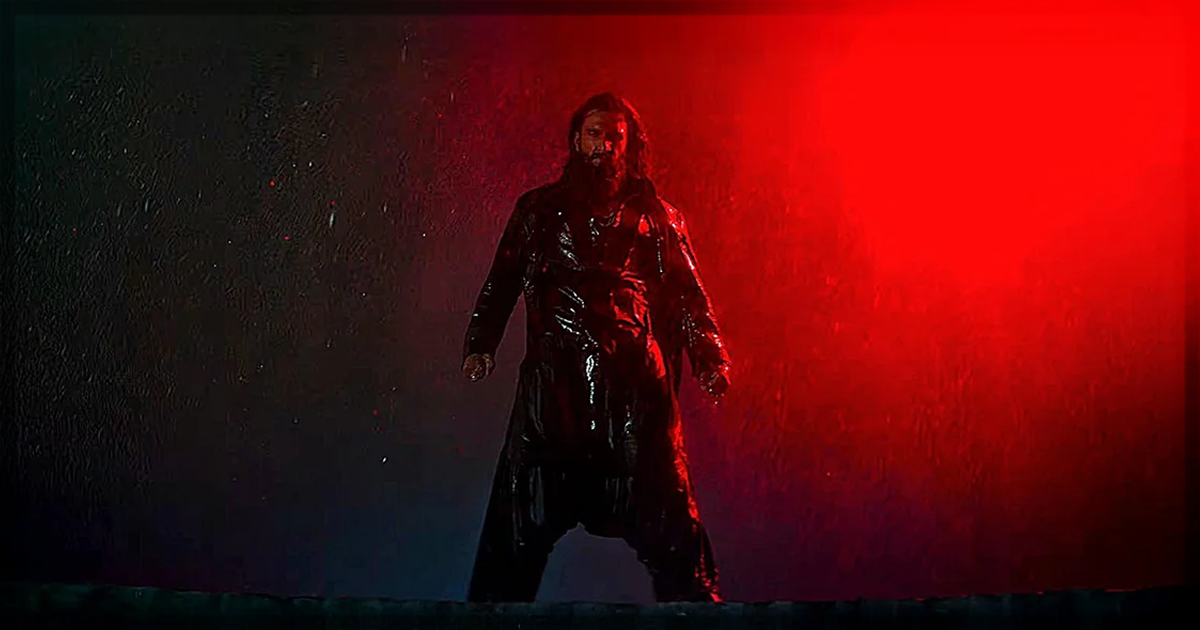
Not to mention if all those descriptions of physical violence sound pretty gross you have no idea what’s coming. By the end it’s downright routine for someone to be beat up, chained, stabbed, doused with gasoline, shot and then set on fire in order to be killed. The brutality and gore is so serious that the use of “Rasputin” by Boney M in one frankly racist sequence is not actually funny. The entire experience is sociopathic. When you have an entire cinema wincing and covering their eyes at the violence upon violence, your movie is too much. And sure, Mr. Singh with his extraordinary head of hair might look incredibly handsome as he strides down the street, lighting dynamite off his cigarette before shooting people, blowing them up and then decapitating them before stringing up what’s left of their bodies. But it would all have been so much more effective with a little restraint.
Speaking of restraint, the long disclaimer at the front makes it clear that 1) this is not a documentary and 2) no offense is intended, but hoo boy both those statements are ridiculous. Sanjay Dutt’s character especially uses the real name of a real person who was involved in counterterrorism in Pakistan. While it is common in Indian cinema to use real-life footage of terrorist incidents in its fictional portrayals of such, writer-director Aditya Dhar is right on the line here between denouncing terrorism and glorifying it. The actions on display here are beyond the pale, whether they’re from your side or not. What’s worse is that the three hour and fifty-five minute runtime (which at least does include an intermission) only stops the slaughter for brief cigarette breaks. At least this time the English subtitles decided that we could stand to read some PG-13 level insults as we watch the body parts pile up.
Clearly the stunts, make-up and practical effect crews as well as the VFX teams had a field day getting disgusting. Sara Arjun as Yalina, Hamza’s wife, has almost nothing to do except stand around looking increasingly upset, as well she might. The set designs allow for lots of slow-motion striding and lots of terrible ways to die. Very cynically the music is almost entirely popular old Hindi songs, a kind of sarcastic commentary on all the gore, though Doja Cat does also appear. The entire thing feels like death by ten thousand cuts. There is so little enjoyment to be found in Dhurandhar The Revenge that it’s hard to fathom as to why audiences are flocking to see all this horror. Is the real world so awful that our only joy is watching people we’re supposed to hate suffering six different ways before they die? This isn’t justice, nothing and nobody is improved by this experience, and by the end you’re just glad it’s over.
Dhurandhar The Revenge is now in theaters.
Learn more about the film at the IMDB site for the title.
You might also like…