
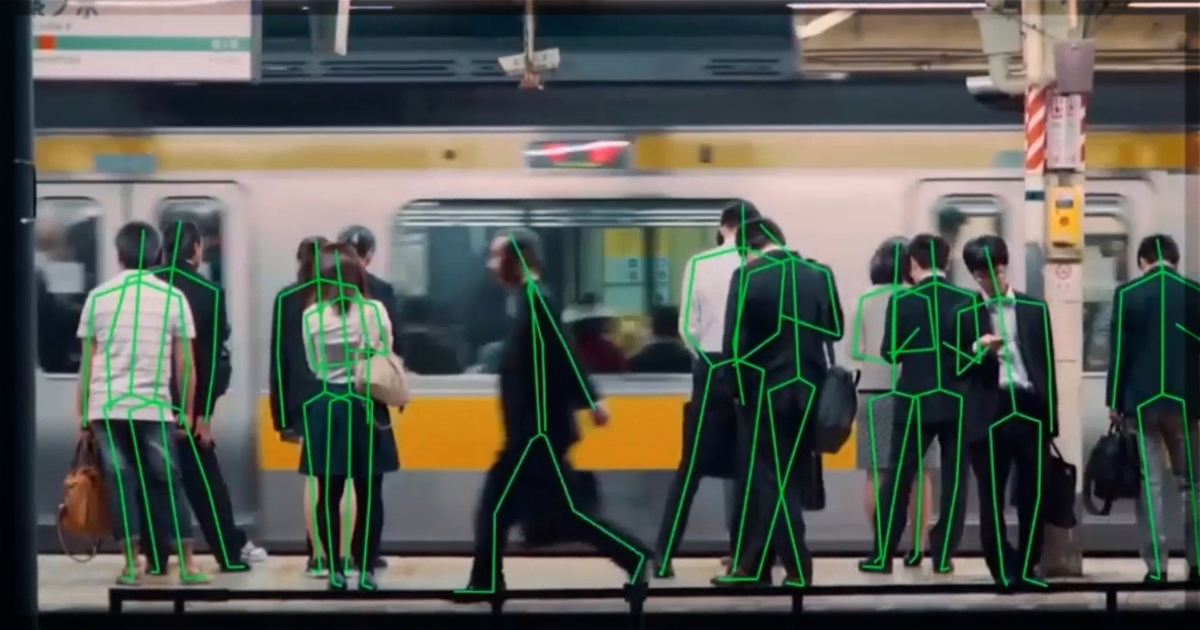
We are living in an era where humans and machines share a very intimate relationship. Our world now revolves around gadgets and the technology that is being provided to us. Whether it is through smartphones or software, human lives are deeply connected with the world of hi-tech, and this relationship is evolving with each passing moment. However, only a few people can recognize that there’s something beyond algorithms that makes these innovations truly meaningful; it’s the way they intertwine with human choices. This is exactly what Aranya Sahay’s Humans In The Loop explores and showcases how technology, while powerful, is incomplete without the moral struggles that define human struggles.
At its core, Humans In The Loop talks about the complex relationship between the decisions made by humans and artificial intelligence. Set against a near-future backdrop where algorithms and machine learning systems are increasingly gaining trust. Humans entrust them with assignments traditionally handled by mankind, from healthcare to law enforcement and disaster management. The film chronicles the journey of Nehma (played by Sonal Madhushankar), a data scientist who is working on a decision support system powered by artificial intelligence (AI). When she starts the experiment, she gets really excited about the outcomes and realizes how this kind of technology is able to help people in several ways. However, things turn upside down when Nehma soon faces the uncomfortable reality that no algorithm, however advanced, can be free from moral blind spots. As the story progresses, the lead character sees cases piling up where lives are at stake, forcing her to make a decision that could change everything. This is where the movie prompts the audience to confront an important question: when should humans intervene, and when should machines be left to decide?
What makes the narrative so compelling is its refusal to provide easy answers. The movie navigates complex ethical challenges without forcing its opinions on the viewers, and gives space to the emotional consequences of the decisions made by people, not just in abstract terms, but in how they impact relationships, personal guilt, and professional integrity. Sahay deliberately infuses these elements in the screenplay, making it richer and thought-provoking. Moreover, it builds tension naturally, without relying on contrived drama. It doesn’t try to prove that the audience knows nothing about what’s happening around them. Instead, the script respects the intelligence of the viewers while making sure that the subject remains relatable and accessible.
The Narrative Balances Emotions and Intellect
One of the aspects that makes the film such a riveting watch is how it explains several technological concepts without turning the storyline into a lecture. Sahay knew that if he had to make a successful connection between viewers and the plotline, he had to do something more than just talk about what technology is, and he did exactly that. He masterfully interweaves technical jargon with real human stories, making the project engaging for both tech-savvy audiences and casual viewers. The pacing is measured but never slow. Every scene is crafted in a way that builds the suspense rather than relying on loud cues or forced twists. The interactions between Nehma and her colleagues, or between Nehma and the affected families, feel purposeful. That’s why almost every dialogue holds a certain level of weightage.
Apart from the script, cinematography is another area where Humans In The Loop excels. It is polished and restrained, echoing the clinical nature of the environments the characters work in, yet never feeling cold. The muted color palette reflects the moral ambiguity of decisions. This might be one of the rare titles where viewers see no stark contrasts, only shades of gray. On the other hand, the background score plays a quiet but effective role in elevating the viewing experience. It doesn’t overshadow dialogues and complements the contemplative mood of the movie, reinforcing the sense that the rise of technology is as much about human fragility as it is about innovation.
Sonal Madhushankar Carries The Film On Her Shoulders
When it comes to performances, the film belongs to Sonal Madhushankar, who portrays the character of Nehma. Her performance is nuanced, deeply felt, and refreshingly understated. From the very first frame, Sonal brings a layered presence to the role, a combination of passion, ambition, and vulnerability. Her character has just returned to her village in Ranchi after a gap of 10 years, and a lot has changed. However, one thing that is still present there is the regressive mindset and how it is still poisoning the minds of young people. As soon as she confronts this reality and her own troubled past, viewers realize that the story is much more than just about algorithms and complex systems. It’s about a woman who is trying to find certain parts of her past with the help of AI. She beautifully captures the exhilaration of working on groundbreaking technology, while effectively conveying the exhaustion and despair that accompany ethical dilemmas.
There are many sequences where she is forced to confront her own complicity in a system that could be devastating for others. In these moments, her eyes tell the story more than her words ever could. Supporting characters give her space to shine, but it’s clear that the film’s emotional core revolves around her. While Sonal is the soul of the film, all the supporting actors add a lot of depth and texture to the plot. The supporting characters present a different story, and how they are dealing with technology taking over. Initially, they believed that technology was going to help them in several ways, and it did. However, they quickly realize that even though becoming an advanced society is a great thing, it also comes with a lot of consequences, and some of them might be horrifying in nature.
Is Humans In The Loop Worth Watching?
Throughout the movie, a simple question keeps coming right in front of everyone’s eyes, and that question is: Can AI replace humans? Well, that’s what everyone is asking these days, and no one has the answer for it. But the film doesn’t ask this question. Instead, it asks, Should AI replace humans? It might be a simple question for many, but it certainly doesn’t have an easy answer. By asking that question, the film puts the focus on how society should define responsibility and empathy in an era that is mostly driven by algorithms. At its heart, the film is more about accountability, both personal and collective. It prompts viewers to ask: when technology fails, who is responsible? And how should humans navigate the tension between innovation and morality?
But if you are expecting a fast-paced narrative about how systems work and impact human lives, Humans In The Loop might not be for you. The movie requires patience, and if you are ready to do that, the result is rewarding. In simple words, Sahay gave priority to thoughtful storytelling over sensationalism, which makes it better than most of the projects we are seeing these days.
All in all, Humans In The Loop is a timely film that manages to infuse a refreshing human core into a narrative talking about the relationship between humanity and technology. It is a powerful reminder that behind every machine, there are human emotions that cannot be ignored, and if they are, the result could be something really problematic. The storyline feels timely, and its execution is masterful. Some people might complain about the pacing, but such stories need time, and if you are patient enough, it provides you with an experience that you might remember for years to come.
Learn more about the film at the IMDB site for the title.
You might also like…
Interview: Sonal Madhushankar Talks Ethics, AI, and Humanity in Aranya Sahay’s ‘Humans in the Loop’